The granite Wright Brothers monument on Kill Devil Hill from below, the names Wilbur Wright and Orville Wright cut into its face against a deep blue sky

Wright Brothers monument, Kill Devil Hills Credit for the photo at the top

Claims to fame, with their sources

Fun facts about North Carolina

The first flight, the highest peak in the East, the salamander capital of the world and the only wild home of the Venus flytrap: 30 things North Carolina can say about itself, each checked against the agency, park or company that says it, and each tied to a place you can drive to.

30 facts · 6 kinds · 29 with a photo · sources read 11 October 2026

01 · The facts

30 things to know, and where to go for each

Worded the way the sources word them: where a claim is a town’s or a company’s own, the card says so, and where two sources differ, it gives both. The map follows the card in view.

All 30 facts

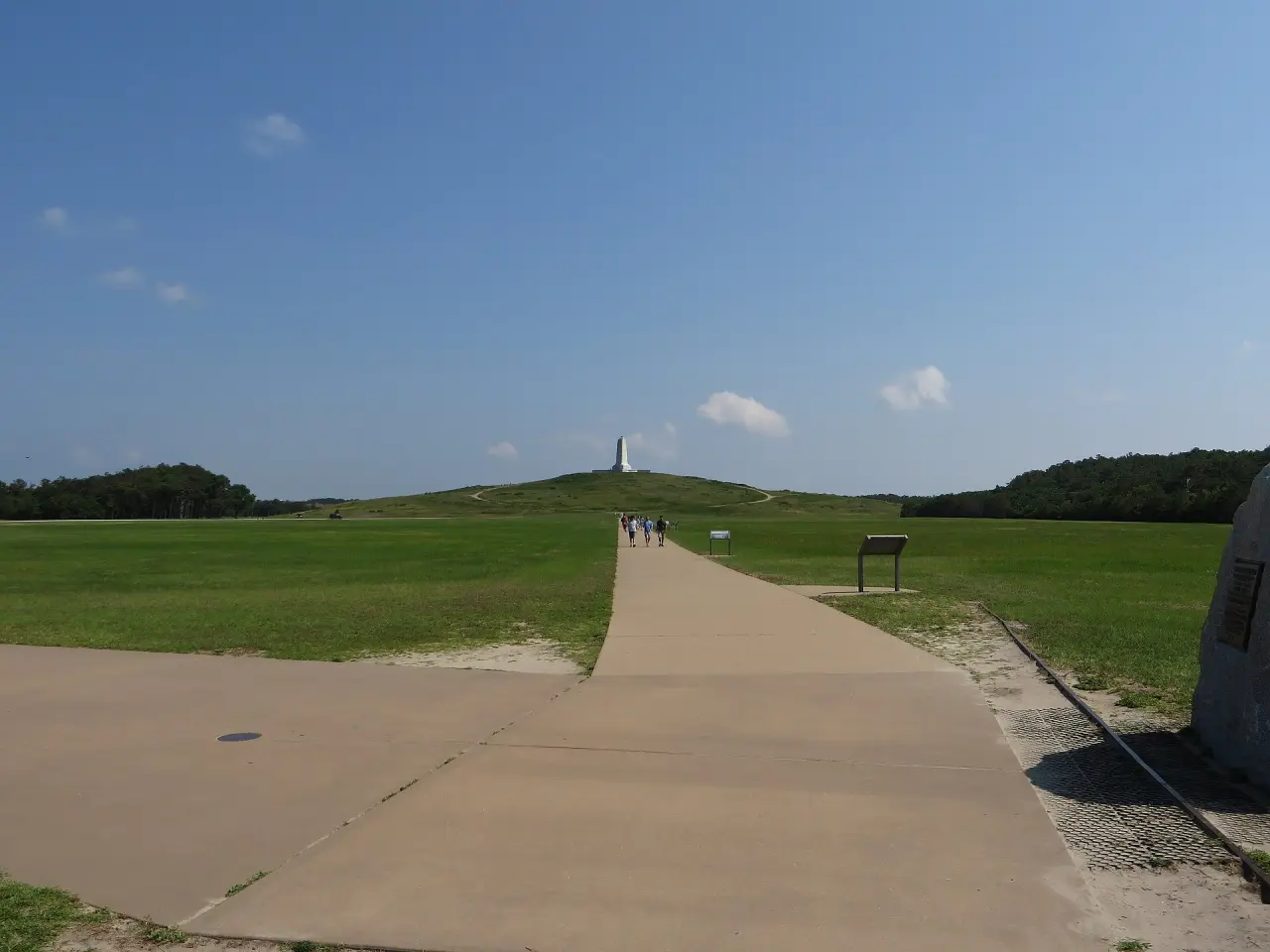
  1. A straight path across a wide lawn toward the Wright Brothers monument on its grassy hill, under a blue sky
    The monument on Big Kill Devil Hill from the first flight path, June 2014Photo: Ken Lund, CC BY-SA 2.0, Wikimedia Commons (opens in a new tab)

    01 · Firsts

    First in flight

    The Wright brothers made the first successful airplane flights on December 17, 1903, on the sands below Big Kill Devil Hill, where their granite monument now stands.

    Where to see it

    Wright Brothers National Memorial, Kill Devil Hills

    Source: National Park Service, Wright Brothers National Memorial (opens in a new tab)
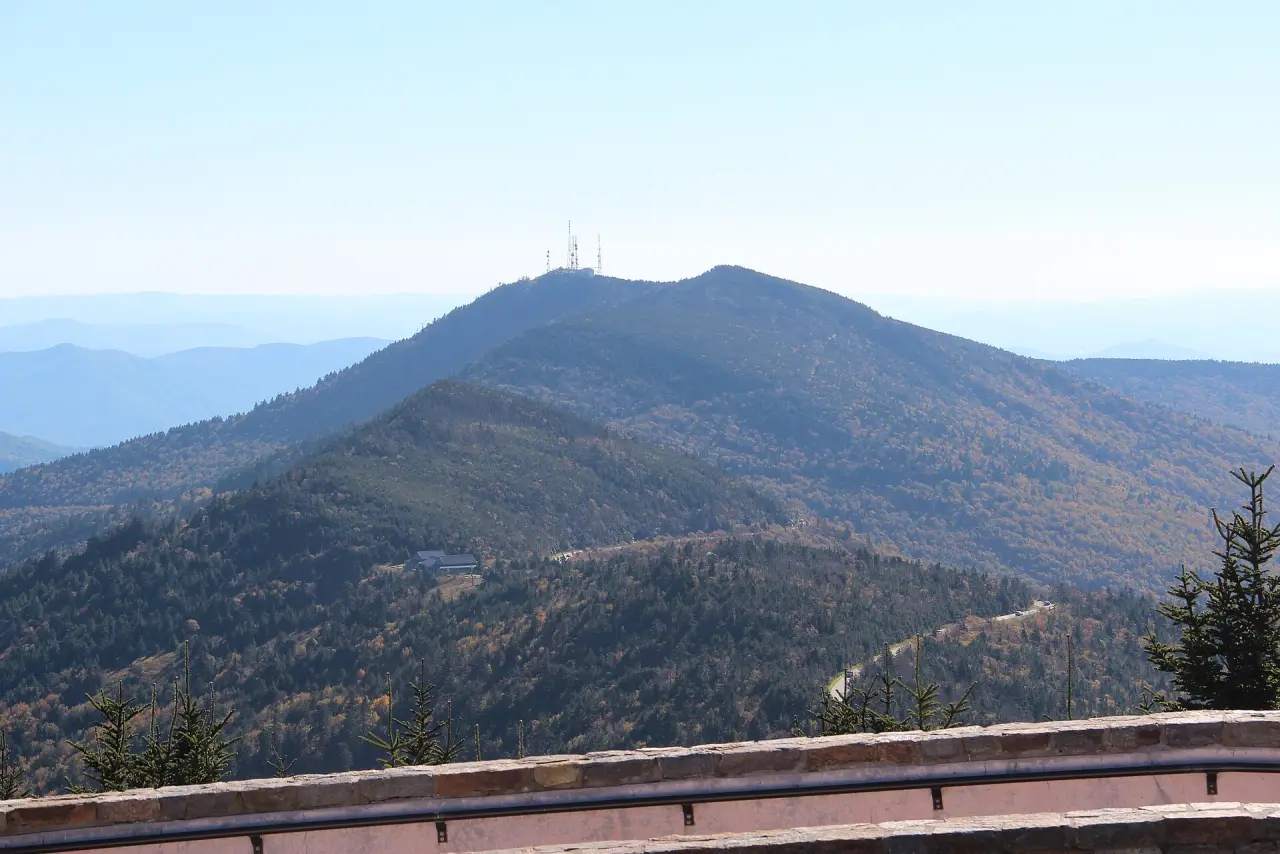
  2. The long, wooded Black Mountain ridge rising to Mount Mitchell under a clear sky, seen from an overlook in October
    Looking south from Mount Mitchell, October 2016Photo: Thomson200, CC0, Wikimedia Commons (opens in a new tab)

    02 · Biggest and oldest

    The highest peak east of the Mississippi

    At 6,684 feet, Mount Mitchell is the highest point east of the Mississippi River, and in 1915 it became North Carolina's first state park.

    Where to see it

    Mount Mitchell State Park, off the Blue Ridge Parkway

    Source: NC State Parks, Mount Mitchell State Park (opens in a new tab); National Park Service, Mount Mitchell (opens in a new tab)
  3. A worker in a white cap watching rows of doughnuts ride the glazing line at a Krispy Kreme shop
    The doughnut line at the nation's first Krispy Kreme shop, Winston-SalemPhoto: Carol M. Highsmith, Library of Congress, Public domain, Wikimedia Commons (opens in a new tab)
    05 · Food and drink

    The first Krispy Kreme

    On July 13, 1937, Vernon Rudolph began making yeast-raised doughnuts in a rented building in Winston-Salem; when people asked for them hot, he cut a hole in the bakery's wall and sold them straight to the street.

    Where to see it

    Old Salem, Winston-Salem, where the first shop stood

    Source: NC Department of Natural and Cultural Resources, Krispy Kreme makes its debut in Winston-Salem (opens in a new tab)
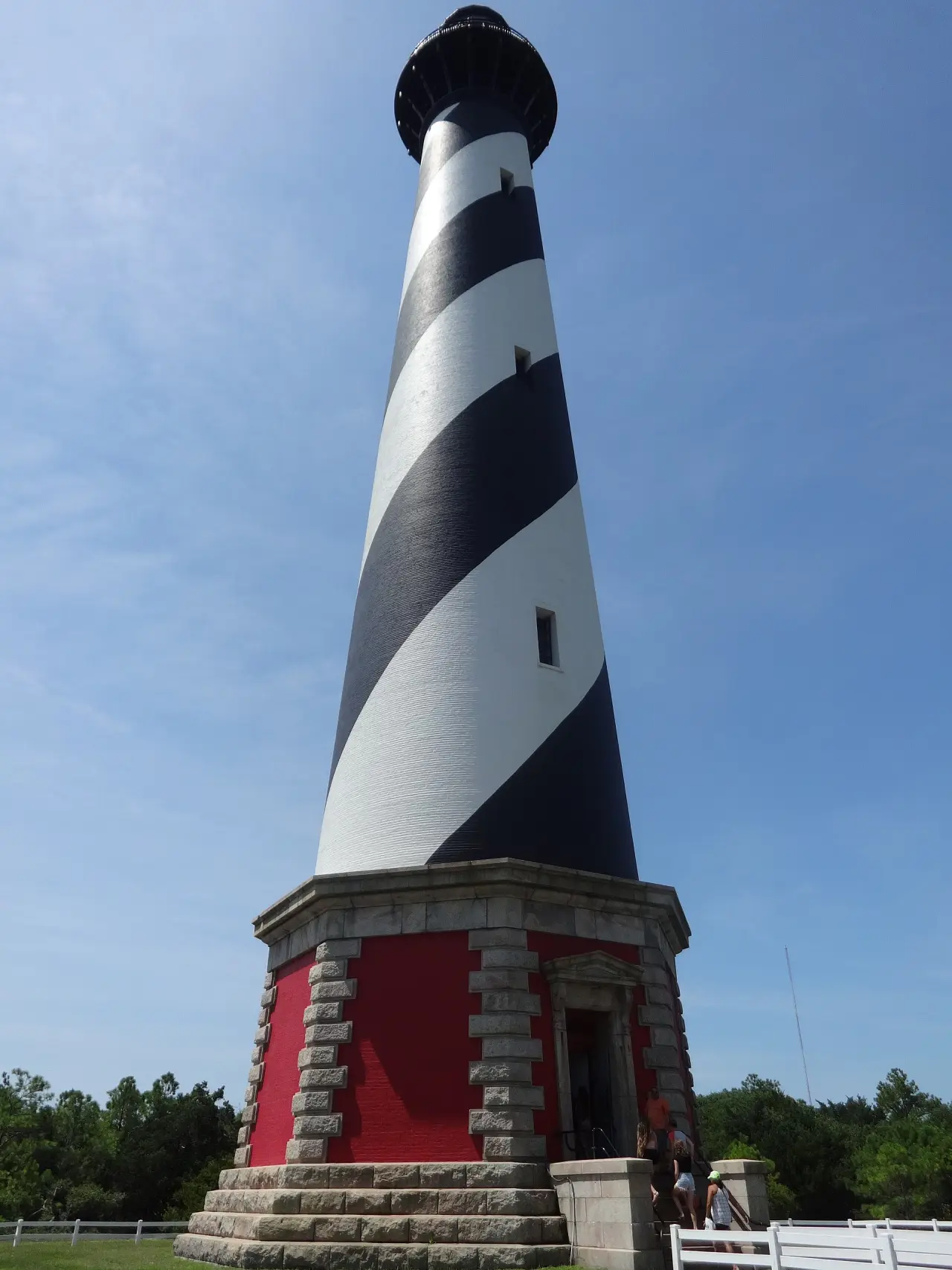
  4. The black and white spiral of Cape Hatteras Lighthouse rising from its red brick base against a clear sky
    Cape Hatteras Lighthouse, Buxton, July 2015Photo: Bohemian Baltimore, CC BY-SA 4.0, Wikimedia Commons (opens in a new tab)
    06 · Biggest and oldest

    The tallest brick lighthouse in the US

    Built in Buxton in 1870 and 193 feet tall, Cape Hatteras Lighthouse was the tallest brick structure of its day and remains the tallest brick lighthouse in the United States; in 1999 it was moved 2,900 feet inland, away from the sea.

    Where to see it

    Cape Hatteras Lighthouse, Buxton

    Source: National Park Service, Landscapes of Change: Cape Hatteras Lighthouse (opens in a new tab)
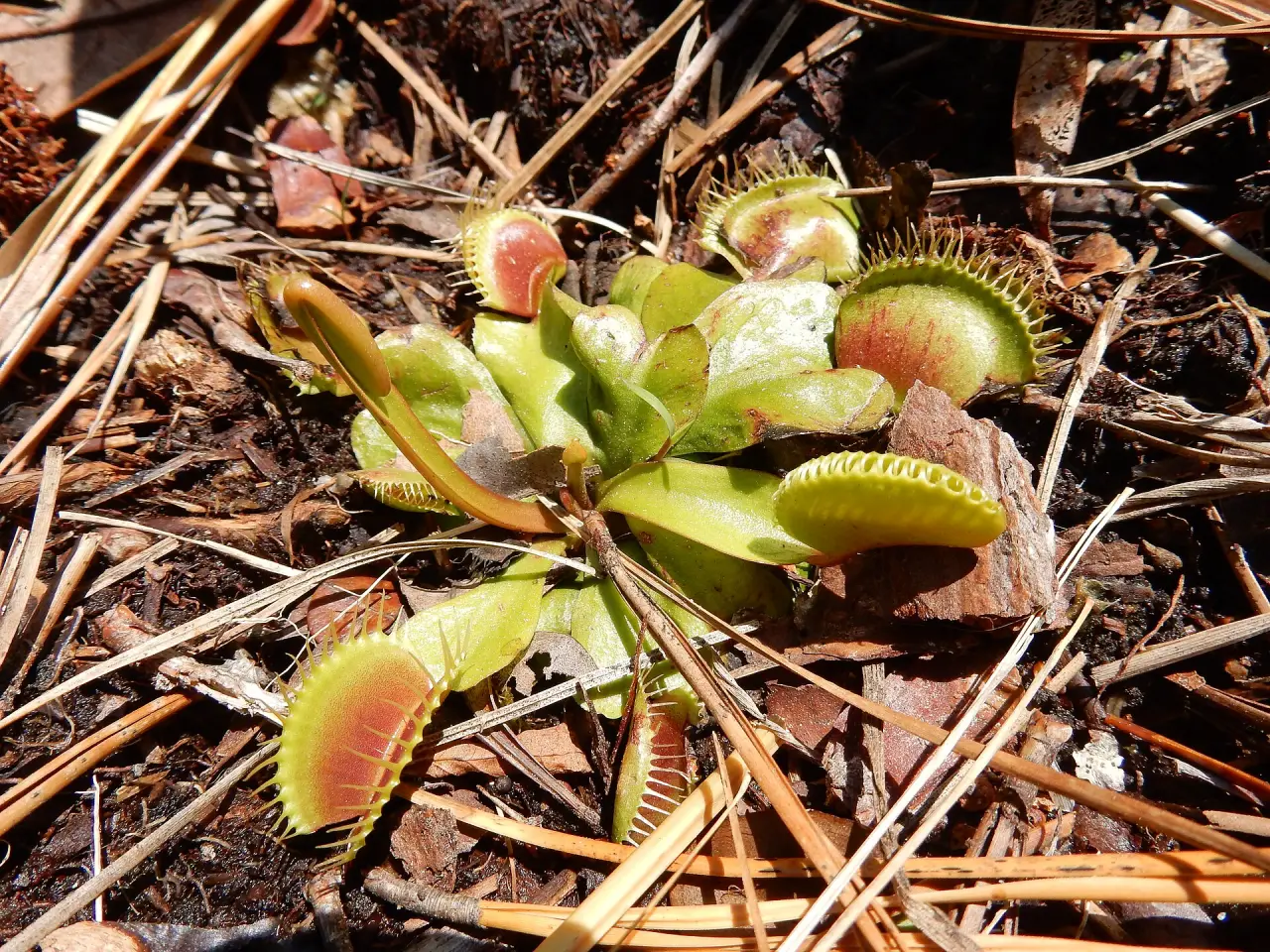
  5. A Venus flytrap in the wild, its red-lined traps open among pine needles
    A Venus flytrap in Carolina Beach State Park, April 2018Photo: ncwetlands.org, CC0, Wikimedia Commons (opens in a new tab)
    07 · Nature

    The Venus flytrap's only wild home

    The Venus flytrap grows wild only in the Carolinas, within about 60 to 75 miles of Wilmington depending on who draws the circle (NC State says 75, the NC Native Plant Society 60); the Flytrap Trail at Carolina Beach State Park is the easy place to see one.

    Where to see it

    Carolina Beach State Park

    Source: NC State University, College of Natural Resources, Five things about Venus flytraps (opens in a new tab); NC Native Plant Society, “The Flytrap Man” builds a garden (opens in a new tab)
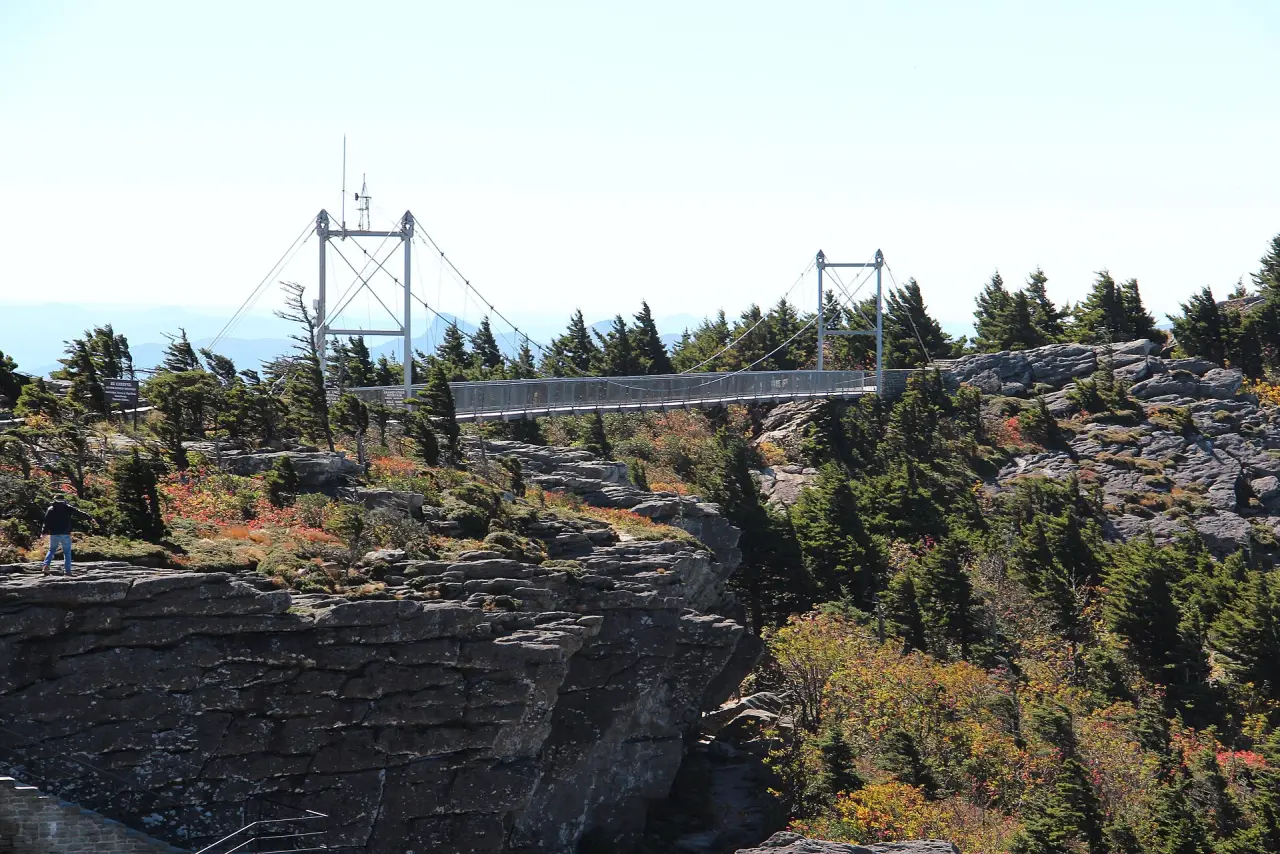
  6. The Mile High Swinging Bridge strung between two rocky outcrops on Grandfather Mountain, firs and fall color around it
    The Mile High Swinging Bridge on Grandfather Mountain, October 2016Photo: Thomson200, CC0, Wikimedia Commons (opens in a new tab)
    08 · Biggest and oldest

    The Mile High Swinging Bridge

    “America's highest suspension footbridge”, as Grandfather Mountain calls it: a mile above sea level, dedicated on September 2, 1952 and rebuilt in 1999 on its original towers, with Linville Peak at 5,305 feet on the far side.

    Where to see it

    Grandfather Mountain, Linville

    Source: Grandfather Mountain Stewardship Foundation, Mile High Swinging Bridge (opens in a new tab)
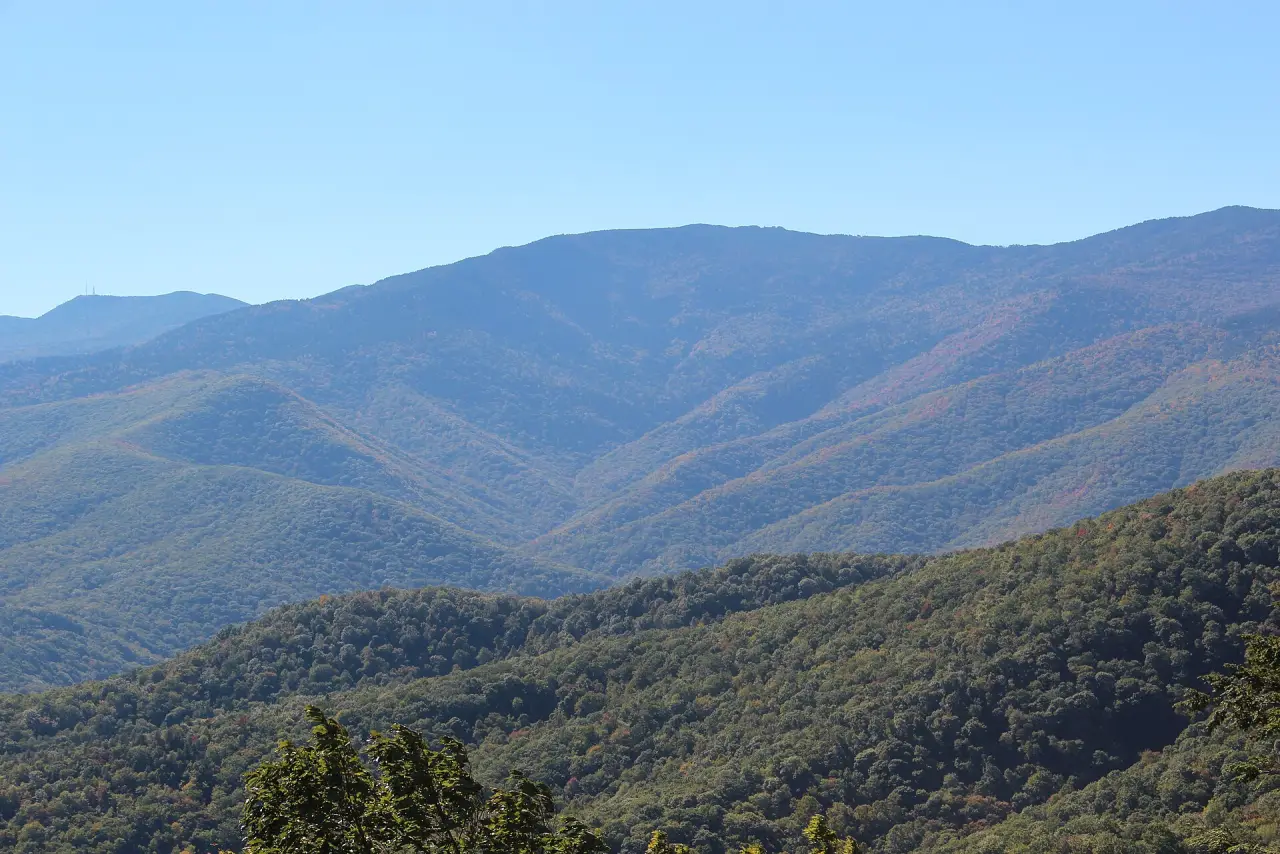
  7. Mount Mitchell's long ridge, its summit towers just visible, seen across wooded ridges from the Black Mountains Overlook
    Mount Mitchell from the Black Mountains Overlook on the Parkway, October 2016Photo: Thomson200, CC0, Wikimedia Commons (opens in a new tab)
    09 · Biggest and oldest

    The most visited place in the National Park System

    The Blue Ridge Parkway was the most visited site in the whole National Park System in 2025, with 16,533,753 recreation visits; Great Smoky Mountains, third overall at 11,527,939, was the most visited national park.

    Where to see it

    Craggy Gardens, Blue Ridge Parkway

    Source: National Park Service, Public interest in national parks remains strong as visits top 323 million in 2025 (opens in a new tab)
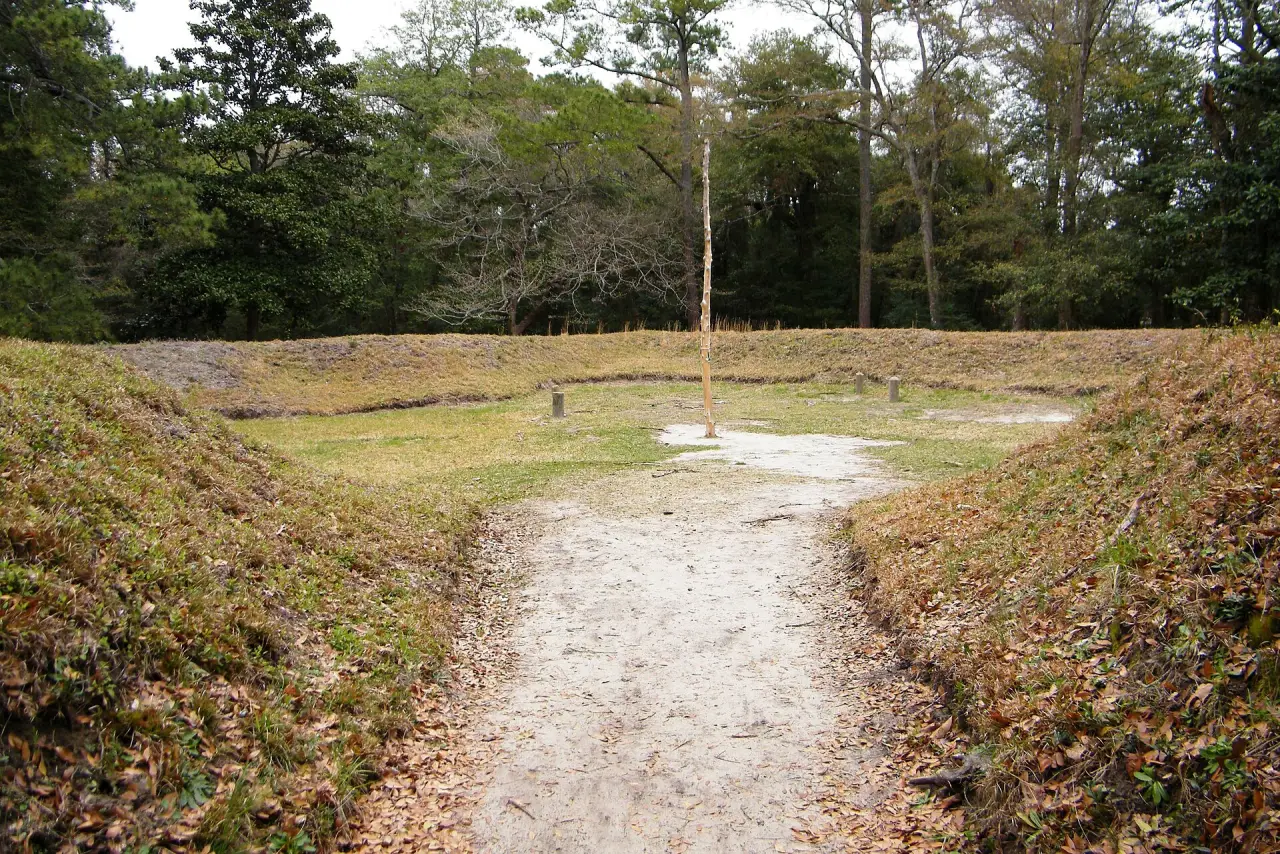
  8. The low, grassed earthworks of the reconstructed fort at Fort Raleigh, a sandy path leading in between them
    The reconstructed earthworks at Fort Raleigh National Historic Site, March 2011Photo: Sarah Stierch, CC BY 4.0, Wikimedia Commons (opens in a new tab)

    10 · History

    The Lost Colony

    In July 1587, 118 colonists landed on Roanoke Island; Virginia Dare was born there that August, “the first English child born in the New World”. When their governor John White got back in 1590 he found “CROATOAN” carved on a palisade and no one there.

    Where to see it

    Fort Raleigh National Historic Site, Manteo

    Source: National Park Service, 1587: The Lost Colony (opens in a new tab); National Park Service, 1590: The rescue voyage (opens in a new tab)

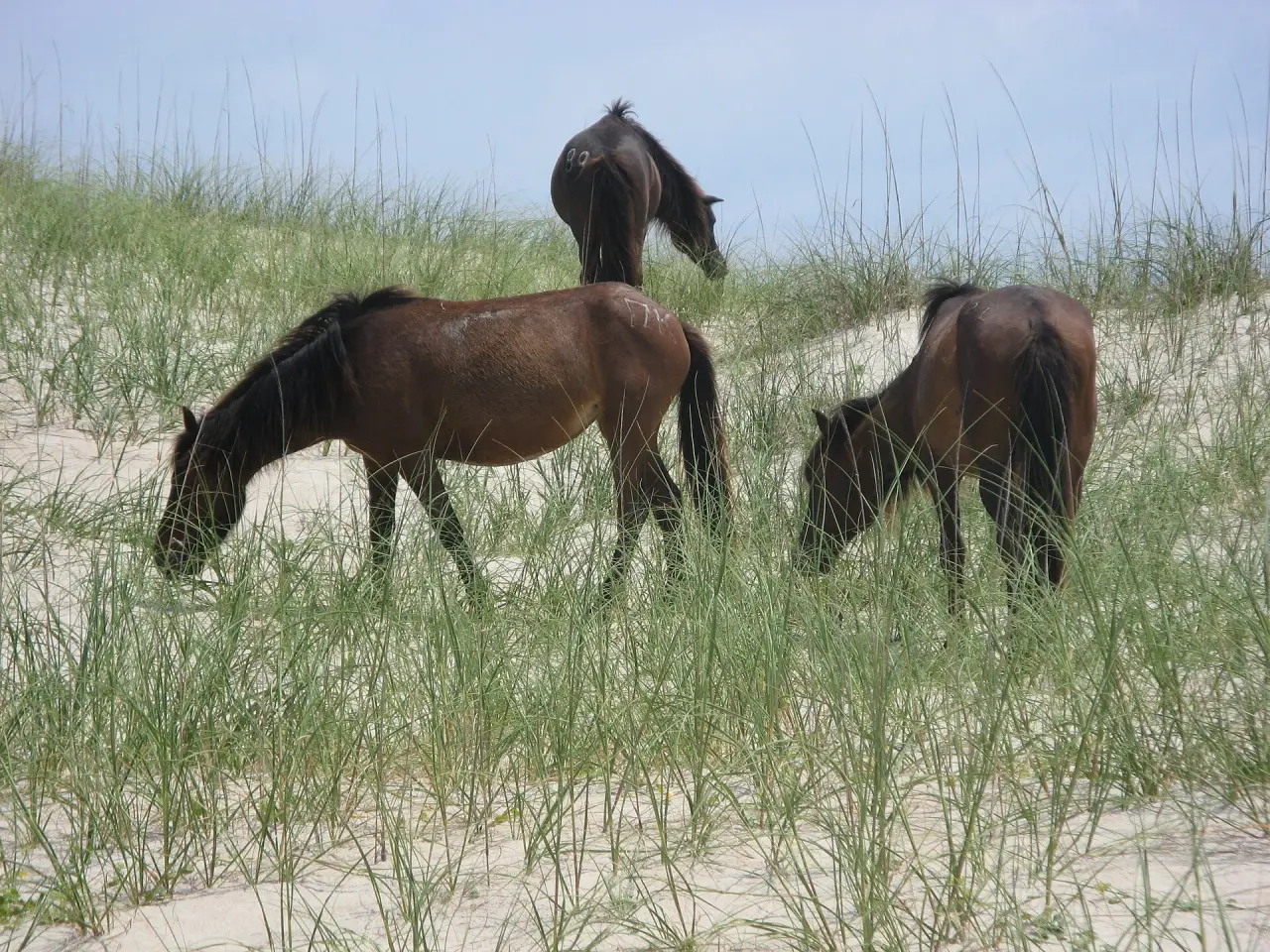
  9. Three brown wild horses grazing in tall dune grass on Shackleford Banks
    Wild horses grazing on the dunes of Shackleford Banks, June 2017Photo: SamChem7, CC BY-SA 4.0, Wikimedia Commons (opens in a new tab)

    11 · Nature

    The wild horses of Shackleford Banks

    Shackleford Banks, in Cape Lookout National Seashore, has “more than 100 wild horses” that “live without the help of man”; you reach them by boat or passenger ferry from the mainland.

    Where to see it

    Shackleford Banks, by ferry from Beaufort or Harkers Island

    Source: National Park Service, Horses of Shackleford Banks (opens in a new tab)

  10. The NASCAR Hall of Fame at night, its curved steel ribbon sweeping over a glass front lit from within
    The NASCAR Hall of Fame, uptown Charlotte, May 2012Photo: Daniel Lobo, CC BY 2.0, Wikimedia Commons (opens in a new tab)

    12 · Made here

    Stock car racing's hall of fame

    The NASCAR Hall of Fame opened in uptown Charlotte on May 11, 2010, enshrining the sport's drivers, crew chiefs, owners, broadcasters and front-office figures; it calls itself the place to “explore the legacies of the legends of our sport”.

    Where to see it

    NASCAR Hall of Fame, uptown Charlotte

    Source: Wikipedia (revision 1372218081), NASCAR Hall of Fame (opens in a new tab); NASCAR Hall of Fame, NASCAR Hall of Fame (opens in a new tab)

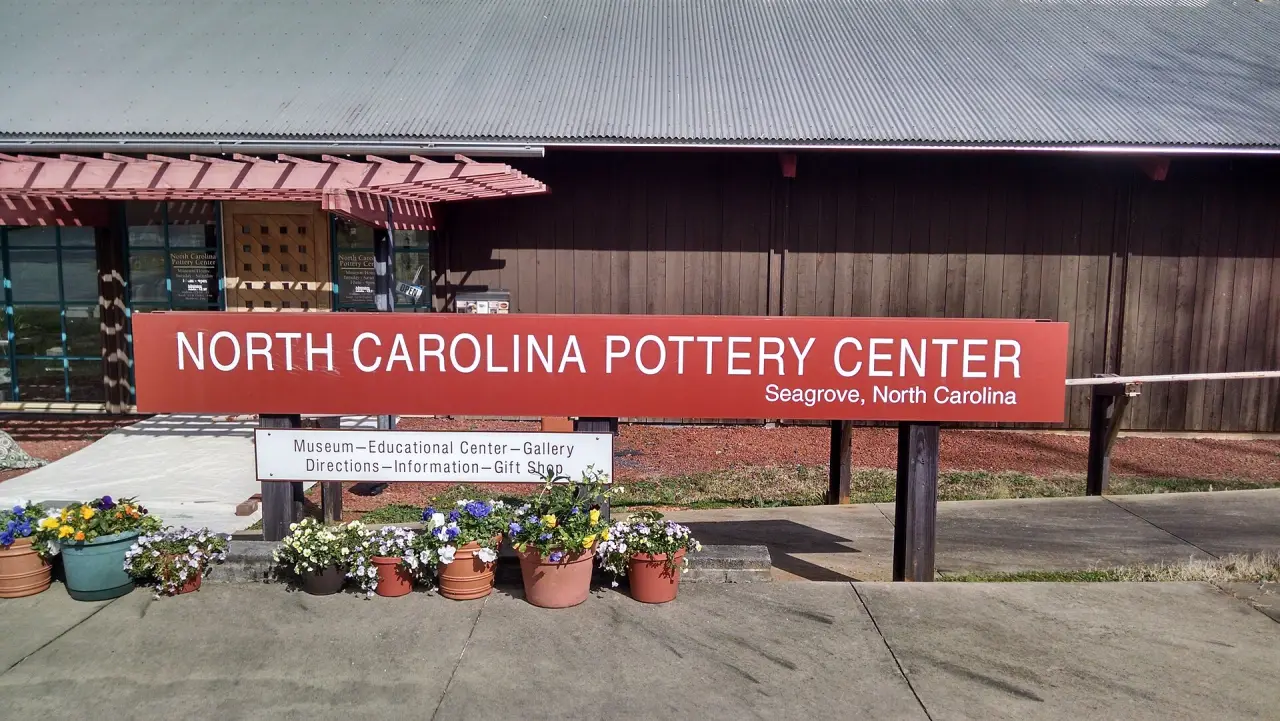
  11. The red sign of the North Carolina Pottery Center in Seagrove, with pots of flowers beneath it
    The North Carolina Pottery Center, Seagrove, March 2016Photo: Jayron32, CC BY-SA 4.0, Wikimedia Commons (opens in a new tab)

    13 · Made here

    The birthplace of North Carolina pottery

    The General Assembly named the Seagrove area the State Birthplace of North Carolina Traditional Pottery in 2005: potters have worked its clay for more than 250 years, and about 130 of them worked within 15 miles of a town of some 250 people.

    Where to see it

    North Carolina Pottery Center, Seagrove

    Source: NCpedia (State Library of North Carolina), State Birthplace of North Carolina Traditional Pottery: Seagrove Area (opens in a new tab)

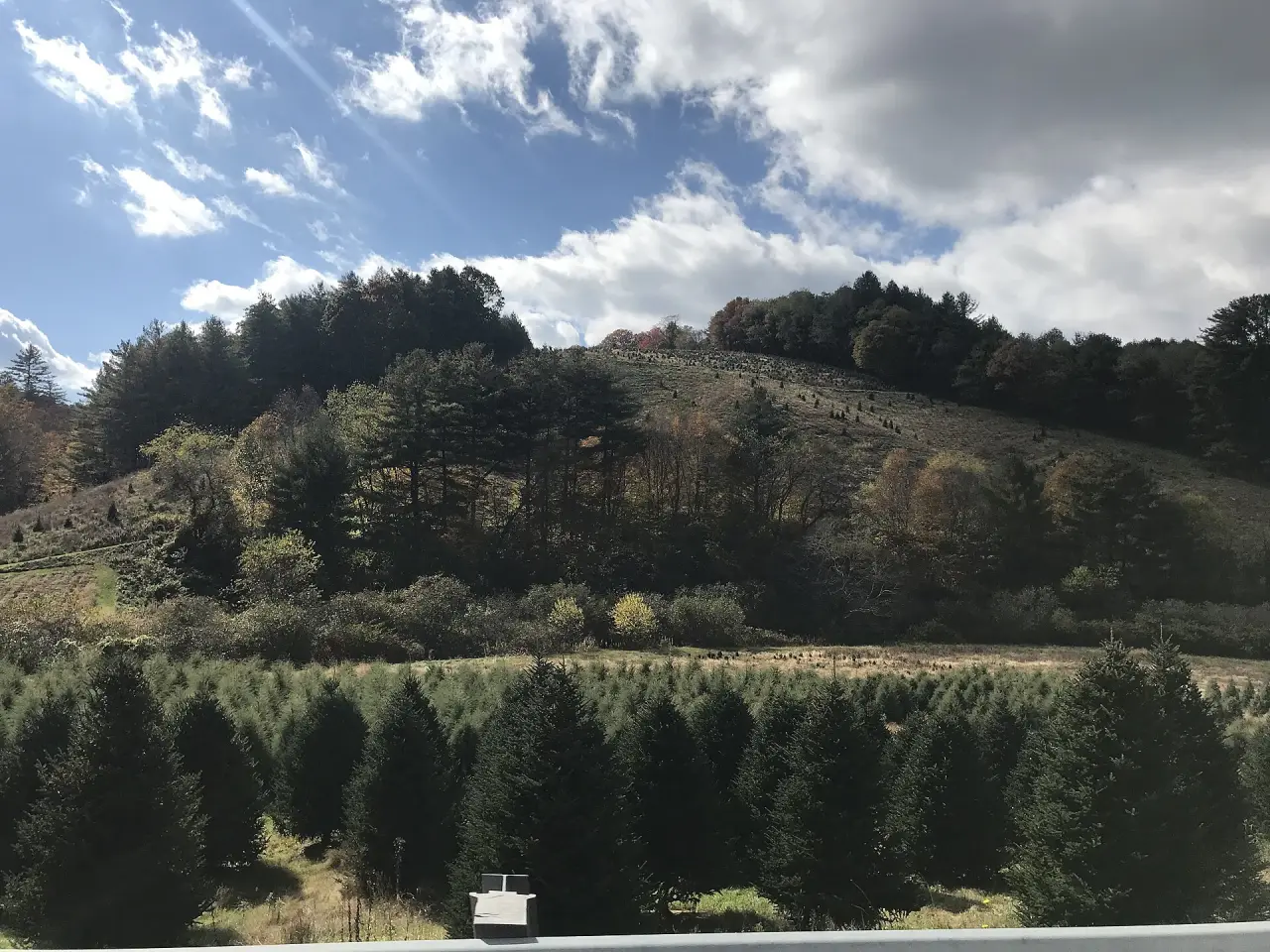
  12. Rows of young fir trees on a hillside farm under a blue autumn sky
    A Christmas tree farm in Ashe County, in OctoberPhoto: Indy beetle, CC0, Wikimedia Commons (opens in a new tab)

    15 · Made here

    Where the Fraser firs come from

    North Carolina's Christmas tree industry is “ranked second in the nation in number of trees harvested and cash receipts”, growing over 20% of the real Christmas trees in the US: about 1,300 growers on 40,000 acres, 99.4% of them Fraser fir, in the far western counties, Ashe and Avery among them.

    Where to see it

    The tree farms around West Jefferson, Ashe County

    Source: NC Christmas Tree Association, North Carolina Christmas tree facts (opens in a new tab)

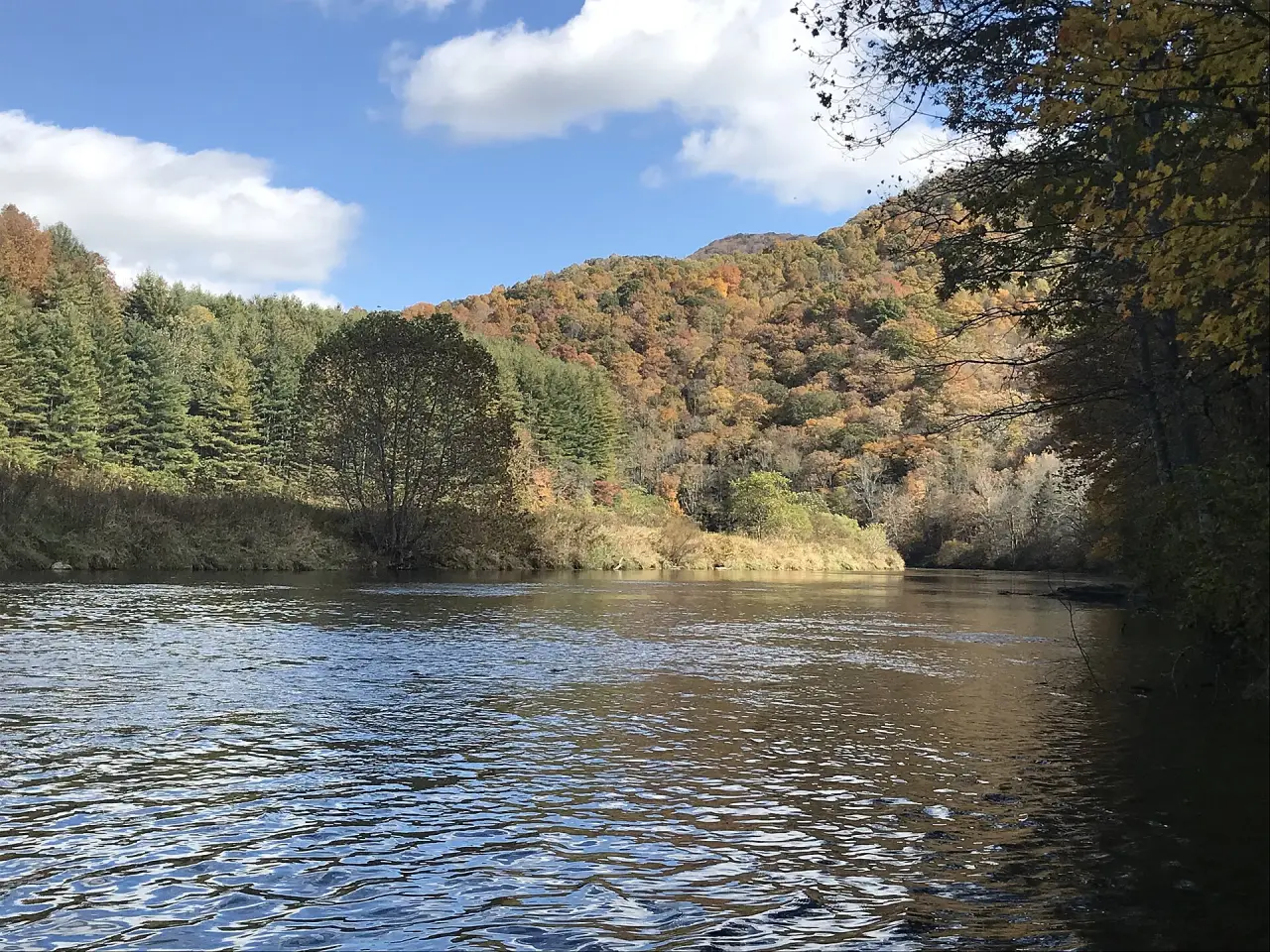
  13. The New River, wide and rippled, below a hillside of orange and gold fall color under a blue sky
    The New River in New River State Park, Ashe County, October 2023Photo: Indy beetle, CC0, Wikimedia Commons (opens in a new tab)

    16 · Biggest and oldest

    A river that may be among the oldest in the world

    The New River “may be very old, perhaps one of the oldest river systems in the world”, as the National Park Service puts it; it rises in the High Country and flows north through three states as a National Wild and Scenic River.

    Where to see it

    New River State Park, near Jefferson

    Source: National Park Service, Geology, New River Gorge National Park and Preserve (opens in a new tab); NC State Parks, New River State Park (opens in a new tab)

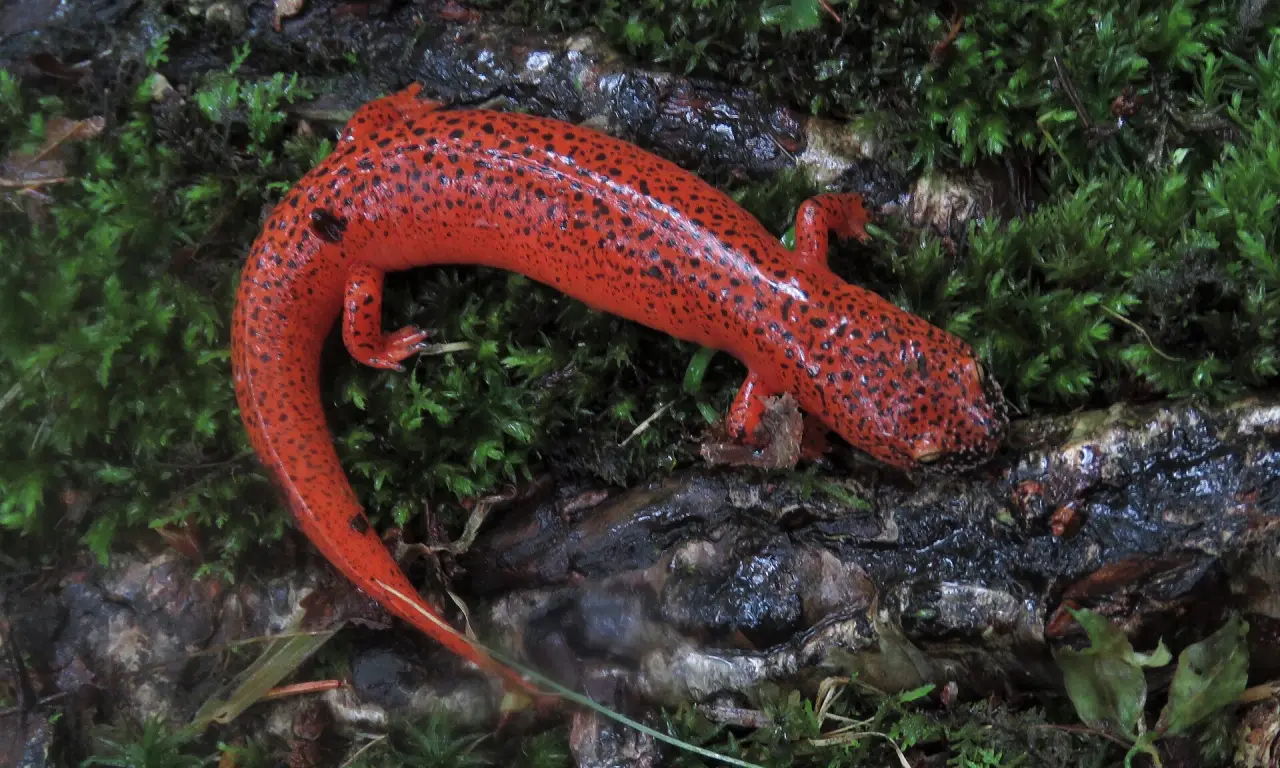
  14. A bright red salamander speckled with black, on wet moss and bark
    A black-chinned red salamander in Great Smoky Mountains National Park, June 2018Photo: Shannon Welch, National Park Service, Public domain, Wikimedia Commons (opens in a new tab)

    17 · Nature

    The salamander capital of the world

    The Great Smoky Mountains are known as the “Salamander Capital of the World”: the park has more species of salamander than any other place on Earth, and by weight they outnumber every other backboned animal in it, people included.

    Where to see it

    Oconaluftee, the Smokies' North Carolina entrance at Cherokee

    Source: National Park Service, Amphibians, Great Smoky Mountains National Park (opens in a new tab)

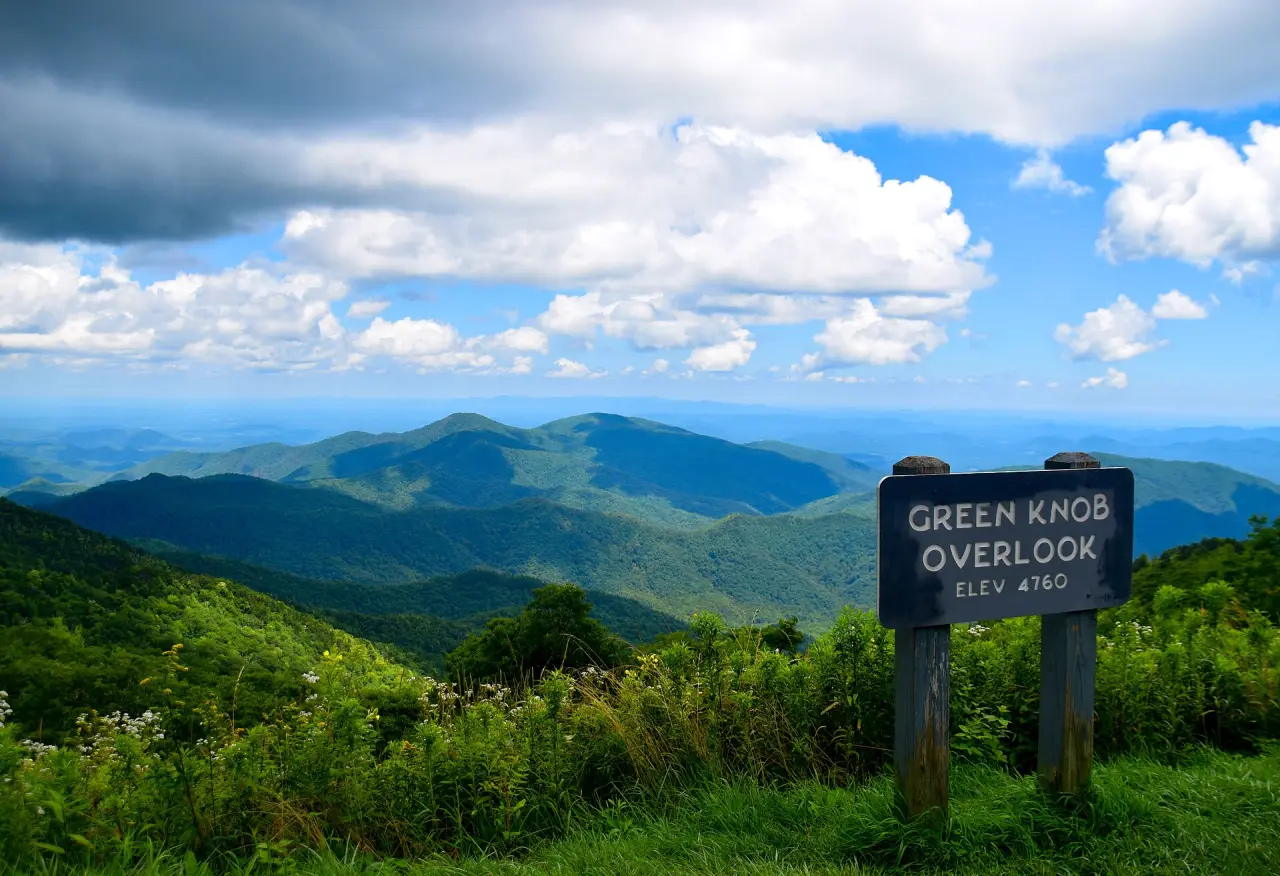
  15. A wooden overlook sign reading Green Knob Overlook, elevation 4760, before ridge after ridge of blue mountains under cumulus clouds
    Green Knob Overlook on the Blue Ridge Parkway, July 2019Photo: Ron Cogswell, CC BY 2.0, Wikimedia Commons (opens in a new tab)

    18 · Biggest and oldest

    Mountains among the oldest on Earth

    The oldest rocks in the Southern Appalachians are over a billion years old, and when the range rose it was likely higher than the Rockies are today; what stands now is the worn core (USGS). The Forest Service calls them “one of the oldest mountain ranges in the world”.

    Where to see it

    Waterrock Knob, Blue Ridge Parkway

    Source: US Geological Survey, Geology of Great Smoky Mountains National Park (opens in a new tab); US Forest Service, National Forests in North Carolina (opens in a new tab)

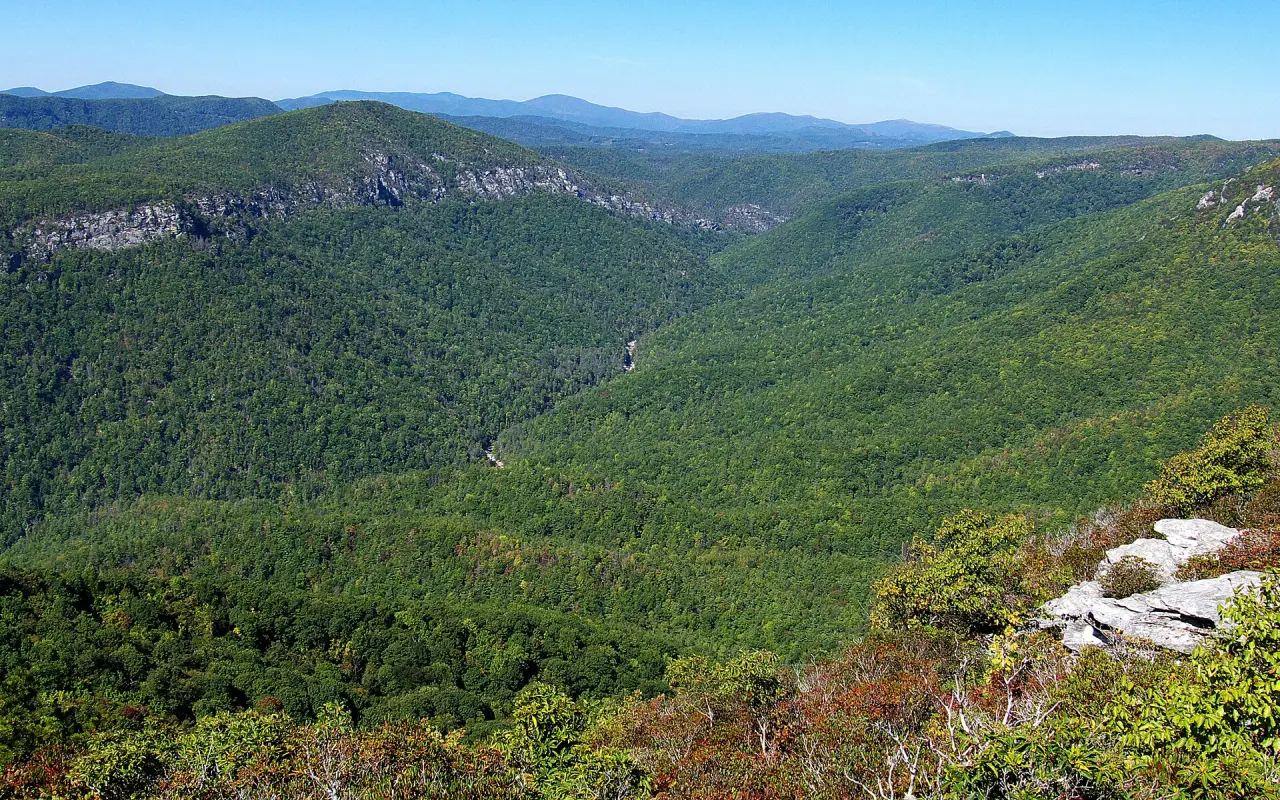
  16. Looking north up the wooded Linville Gorge from the Jonas Ridge side, the river far below and blue ridges beyond
    Linville Gorge from Jonas Ridge, in OctoberPhoto: Ken Thomas, Public domain, Wikimedia Commons (opens in a new tab)

    19 · Nature

    The Grand Canyon of the East

    The Linville River drops 2,000 feet through the gorge between Jonas Ridge and Linville Mountain, in a wilderness the Forest Service keeps rough on purpose; it is “commonly called the Grand Canyon of the East”, as Visit NC says.

    Where to see it

    Wiseman's View, Linville Gorge

    Source: US Forest Service, Linville Gorge Wilderness area (opens in a new tab); Visit North Carolina, Linville Gorge Wilderness Area (opens in a new tab)

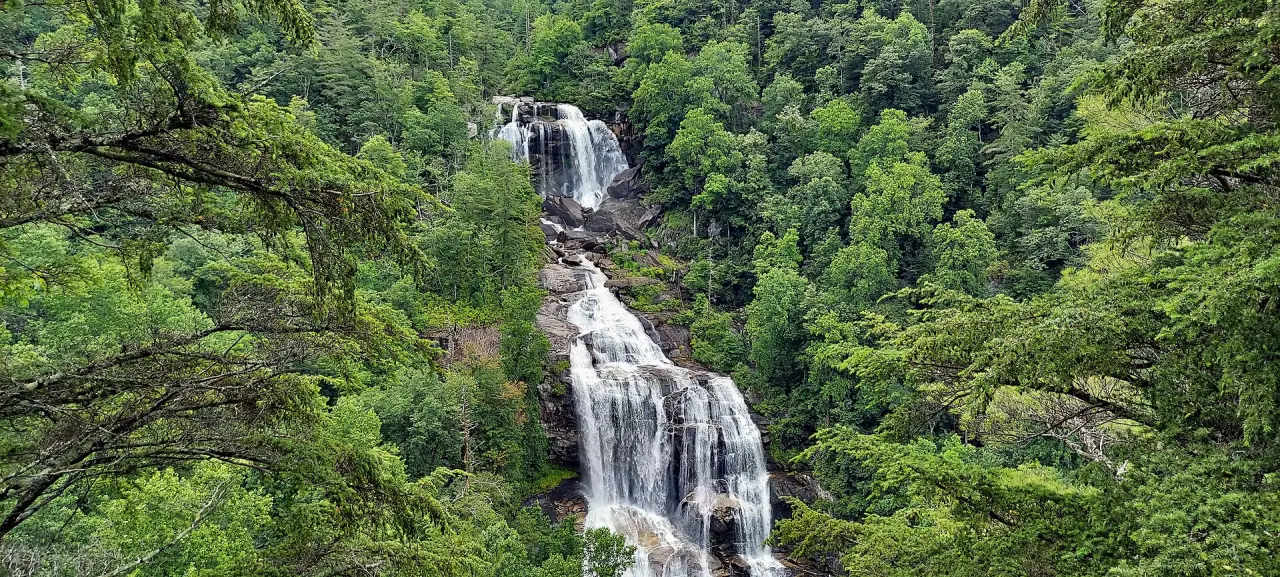
  17. Upper Whitewater Falls pouring in white steps down a rock face through thick green forest
    Upper Whitewater Falls, June 2023Photo: P. Hughes, CC BY-SA 4.0, Wikimedia Commons (opens in a new tab)

    20 · Biggest and oldest

    The highest waterfall east of the Rockies

    “With a 411-foot plunge, Upper Whitewater Falls in North Carolina is the highest waterfall east of the Rockies”, as the Forest Service states it; the lower falls, over the line in South Carolina, drop another 400 feet.

    Where to see it

    Whitewater Falls, Nantahala National Forest

    Source: US Forest Service, Whitewater Falls (opens in a new tab)

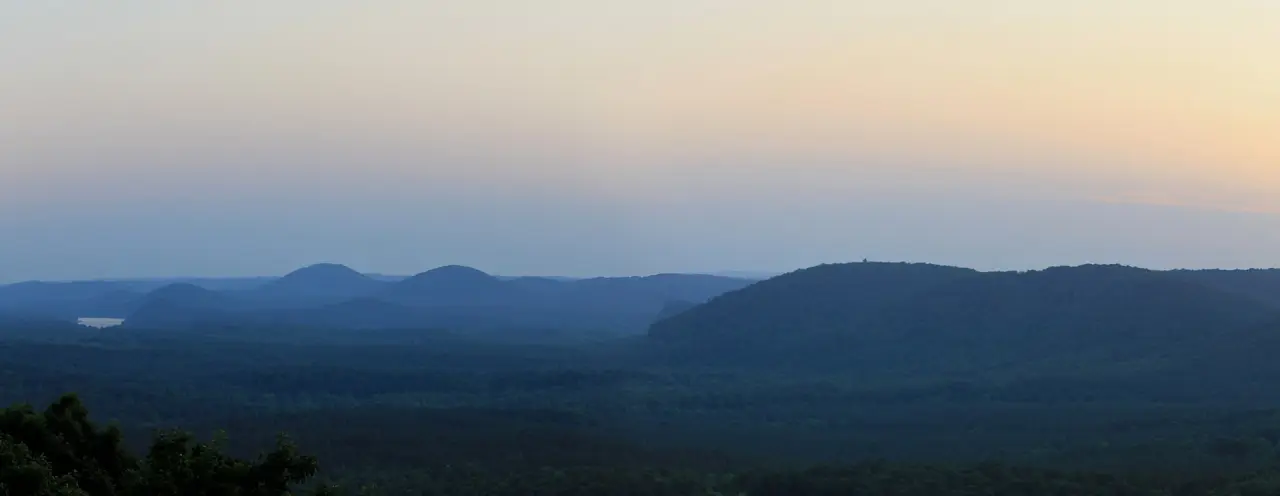
  18. The low, rounded Uwharrie Mountains fading into haze at dusk, seen from Morrow Mountain
    The Uwharrie Mountains from Morrow Mountain State Park at dusk, June 2014Photo: Wasrts, CC BY-SA 3.0, Wikimedia Commons (opens in a new tab)

    21 · Biggest and oldest

    The Uwharries, among the oldest mountains in North America

    The Uwharries are “some of the oldest mountains in North America”, as the Forest Service puts it, worn down to wooded ridges in the middle of the state; Morrow Mountain State Park looks out over them.

    Where to see it

    Morrow Mountain State Park, Albemarle

    Source: US Forest Service, Uwharrie National Forest (opens in a new tab)

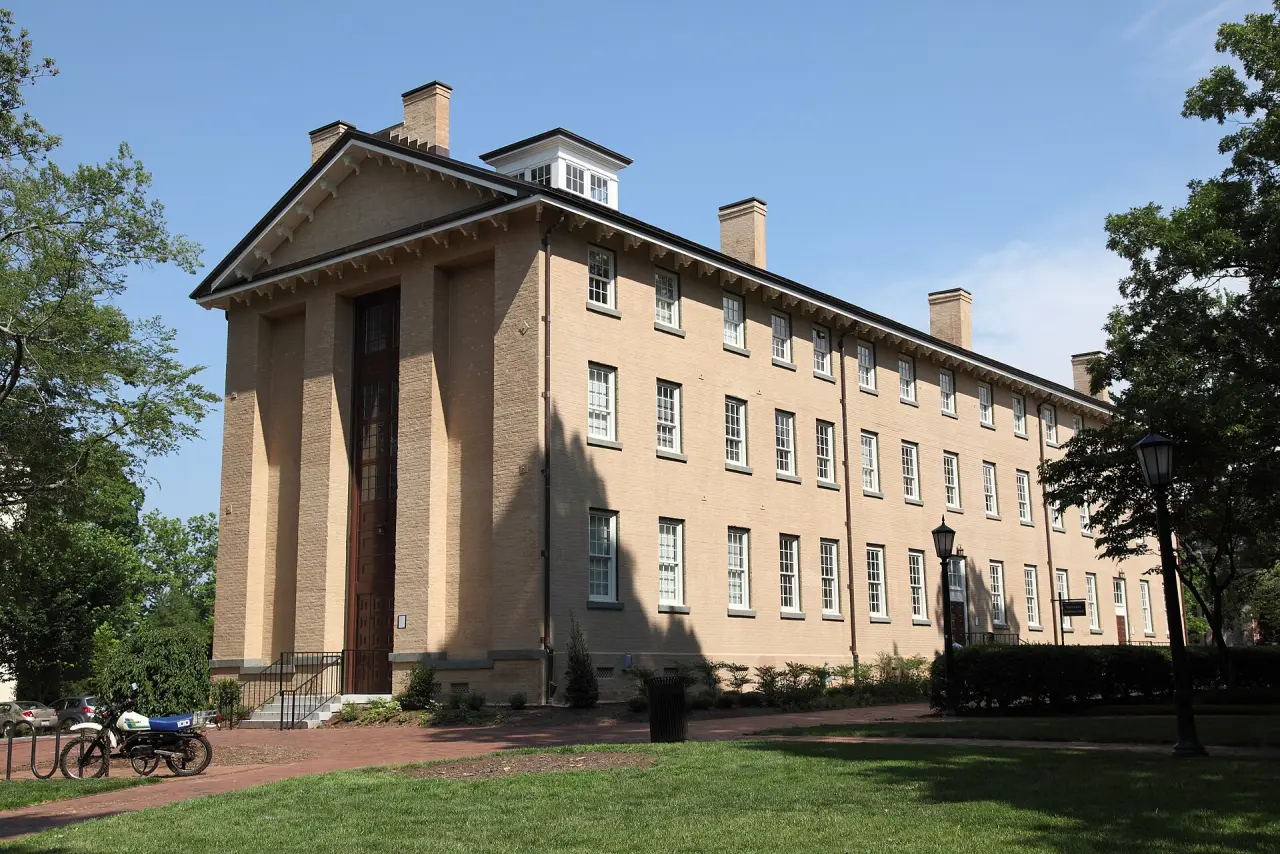
  19. Old East, a long three-storey brick dormitory with a columned portico, on a sunny lawn
    Old East at UNC Chapel Hill, begun in 1793Photo: Wgreaves, CC BY-SA 3.0, Wikimedia Commons (opens in a new tab)

    22 · Firsts

    The first public university

    “The first public university in the nation”, as UNC says it: chartered in 1789, its first students arrived in 1795, and it was the only public university to award degrees in the 18th century. Old East, begun in 1793, is the oldest state university building in the nation.

    Where to see it

    Old East and the Old Well, UNC Chapel Hill

    Source: University of North Carolina at Chapel Hill, History and traditions (opens in a new tab)

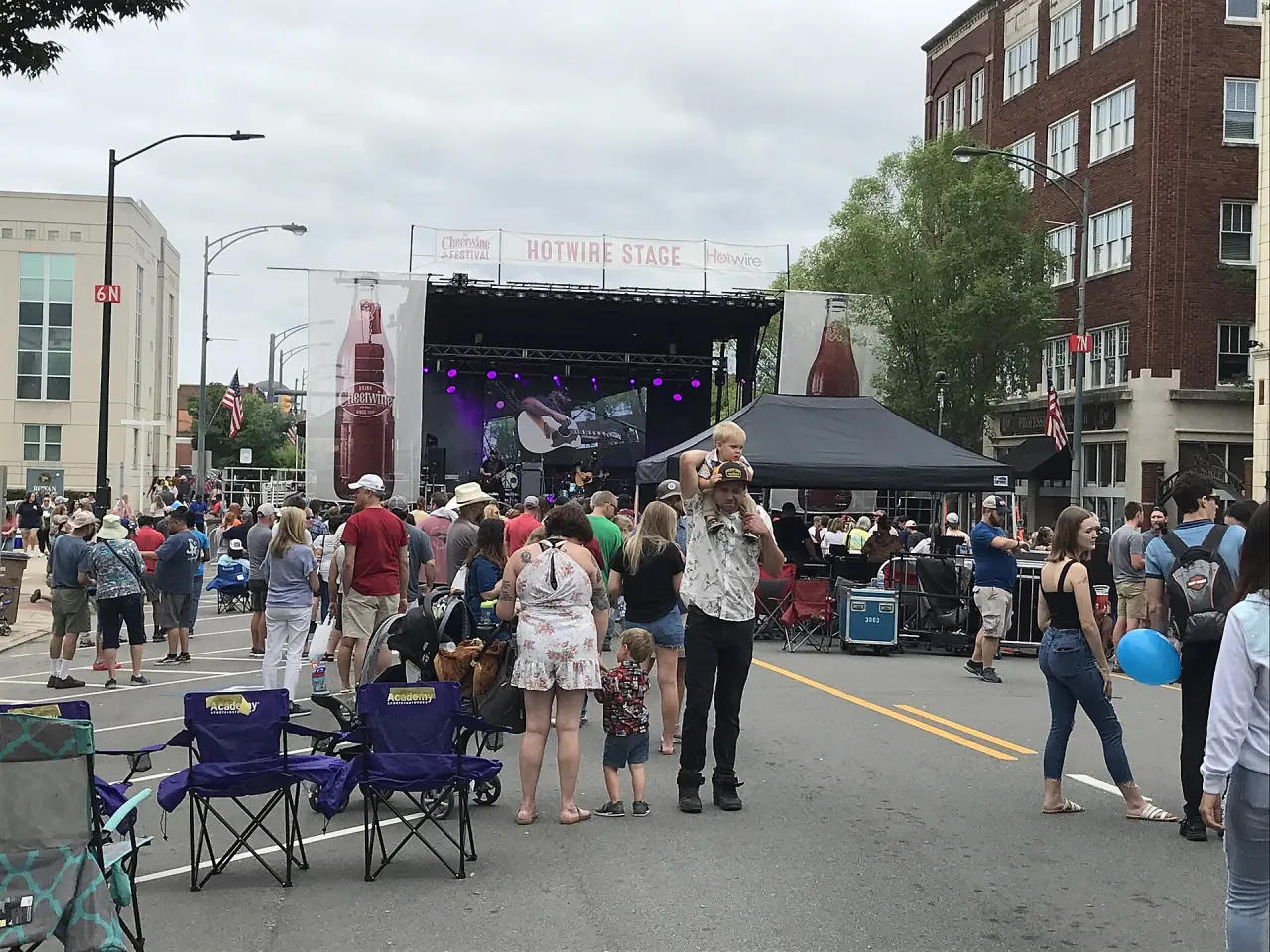
  20. A festival crowd on a downtown street before a stage flanked by tall Cheerwine bottle banners
    The Cheerwine Festival in downtown Salisbury, May 2023Photo: Indy beetle, CC0, Wikimedia Commons (opens in a new tab)

    23 · Food and drink

    Cheerwine, a family soda since 1917

    L.D. Peeler created Cheerwine in Salisbury in 1917, amid a sugar shortage, from a wild cherry flavor bought off a St. Louis salesman; it is “the oldest continuing soft drink run by the same family”, as Cheerwine says.

    Where to see it

    Downtown Salisbury

    Source: Cheerwine, The story behind the South's favorite cherry flavored soda (opens in a new tab)

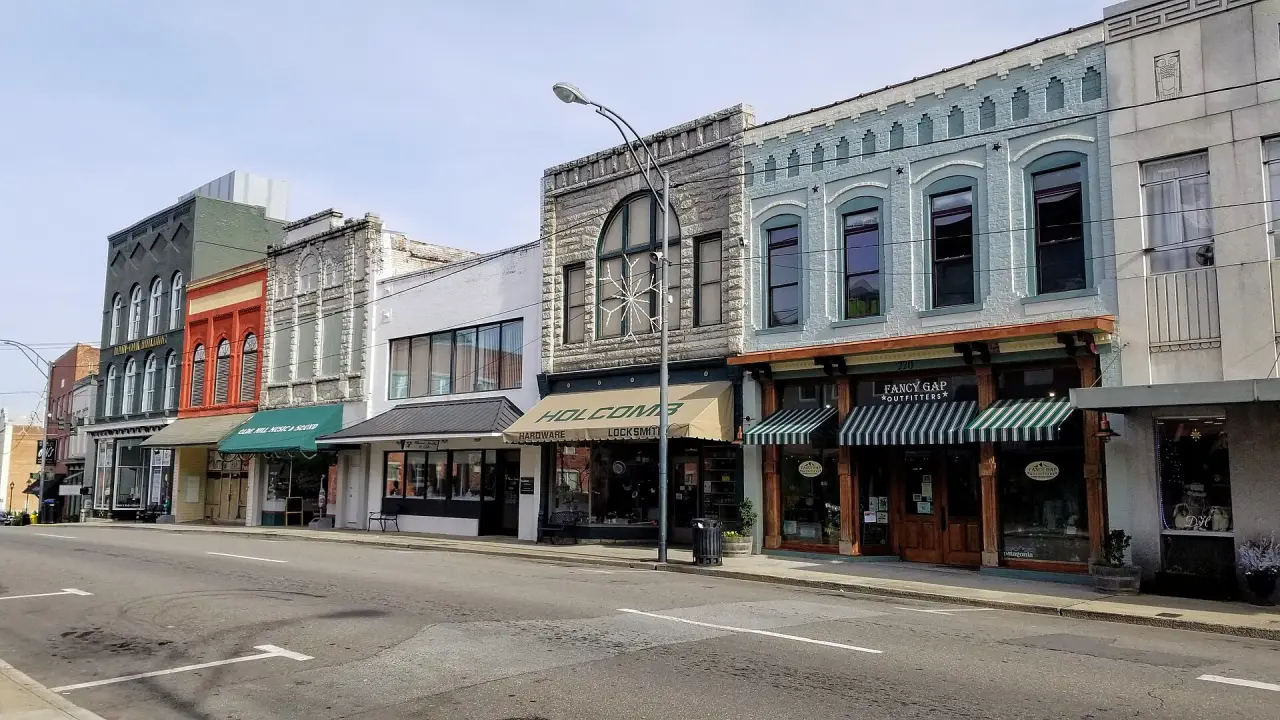
  21. A row of two- and three-storey brick storefronts with striped awnings along North Main Street in Mount Airy
    North Main Street, Mount Airy, November 2020Photo: Upstateherd, CC BY-SA 4.0, Wikimedia Commons (opens in a new tab)

    24 · History

    The real Mayberry

    Mount Airy is Andy Griffith's hometown, “the real life Mayberry and inspiration for the Andy Griffith Show”, as the town's tourism office puts it, with squad car tours, the Andy Griffith Museum and a Mayberry Days parade.

    Where to see it

    Main Street, Mount Airy

    Source: Mount Airy Tourism Development Authority, Visit Mayberry (opens in a new tab)

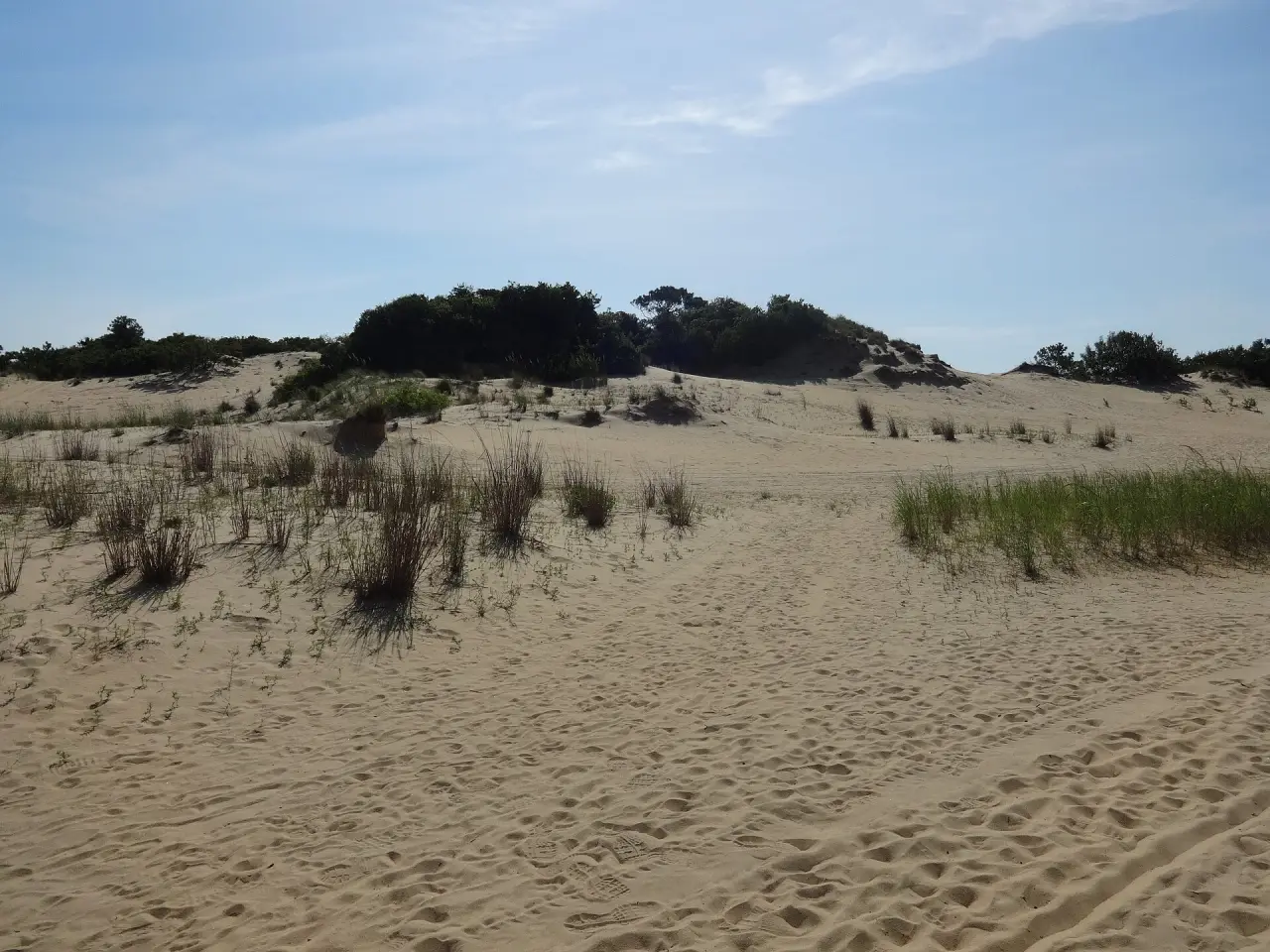
  22. Pale sand dunes with tufts of grass and a dark clump of shrubs on the ridge, under a hazy sky
    The dunes at Jockey's Ridge State Park, Nags Head, July 2015Photo: Bohemian Baltimore, CC BY-SA 4.0, Wikimedia Commons (opens in a new tab)

    26 · Nature

    The tallest dunes on the Atlantic coast

    Jockey's Ridge is “the tallest living sand dune system on the Atlantic coast”, as the state park puts it, and hang gliding off it is the park's hallmark, with lessons from a concessionaire.

    Where to see it

    Jockey's Ridge State Park, Nags Head

    Source: NC State Parks, Jockey's Ridge State Park (opens in a new tab)

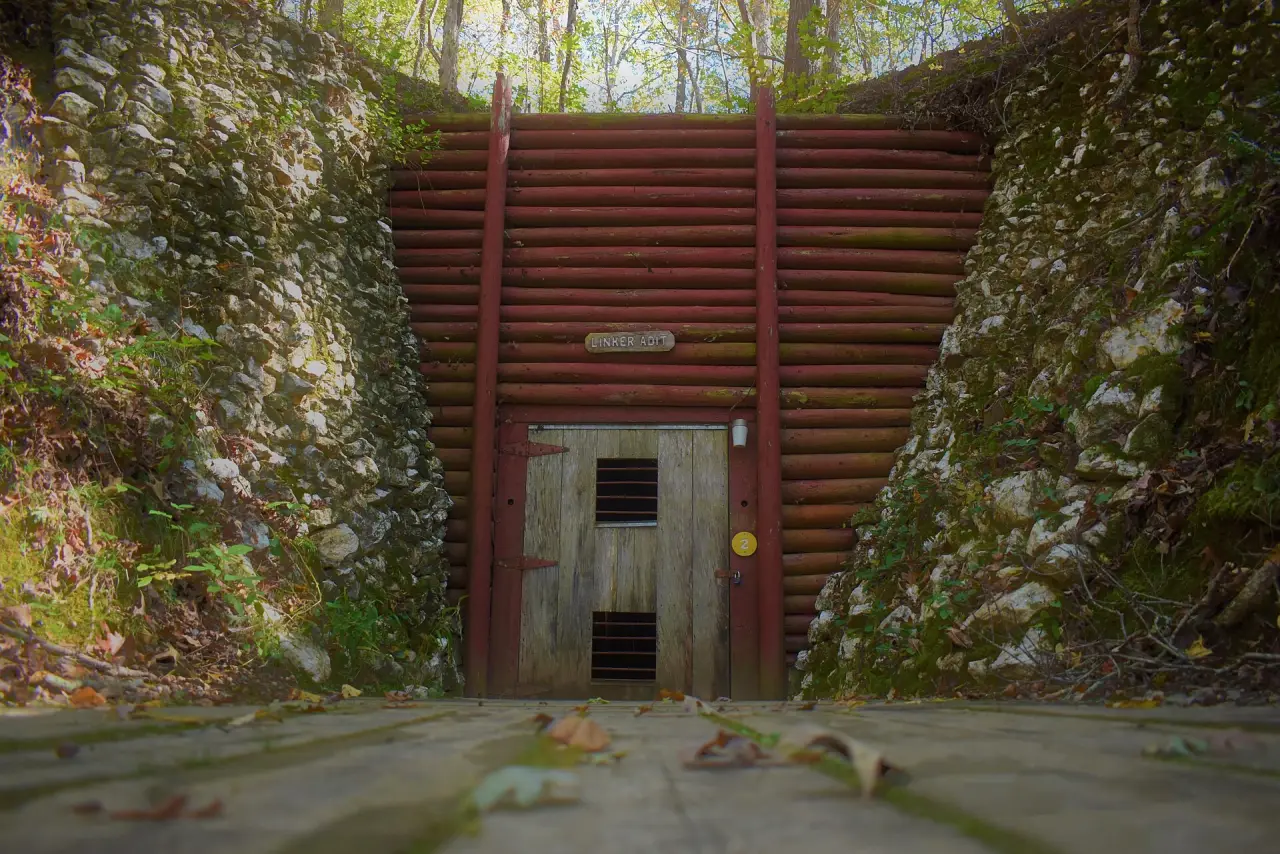
  23. The timbered entrance to an underground mine tunnel, a wooden door set between stone walls
    The entrance to an underground tunnel at Reed Gold Mine, October 2020Photo: Gus Jewell, CC BY-SA 4.0, Wikimedia Commons (opens in a new tab)

    27 · Firsts

    America's first gold rush

    Reed Gold Mine is “the site of the first documented gold find in the United States”: in 1799 Conrad Reed found a 17-pound yellow rock in Little Meadow Creek, and it served as a doorstop for three years before a Fayetteville jeweler bought it in 1802 for $3.50.

    Where to see it

    Reed Gold Mine State Historic Site, Midland

    Source: NC Historic Sites, Reed Gold Mine history (opens in a new tab)

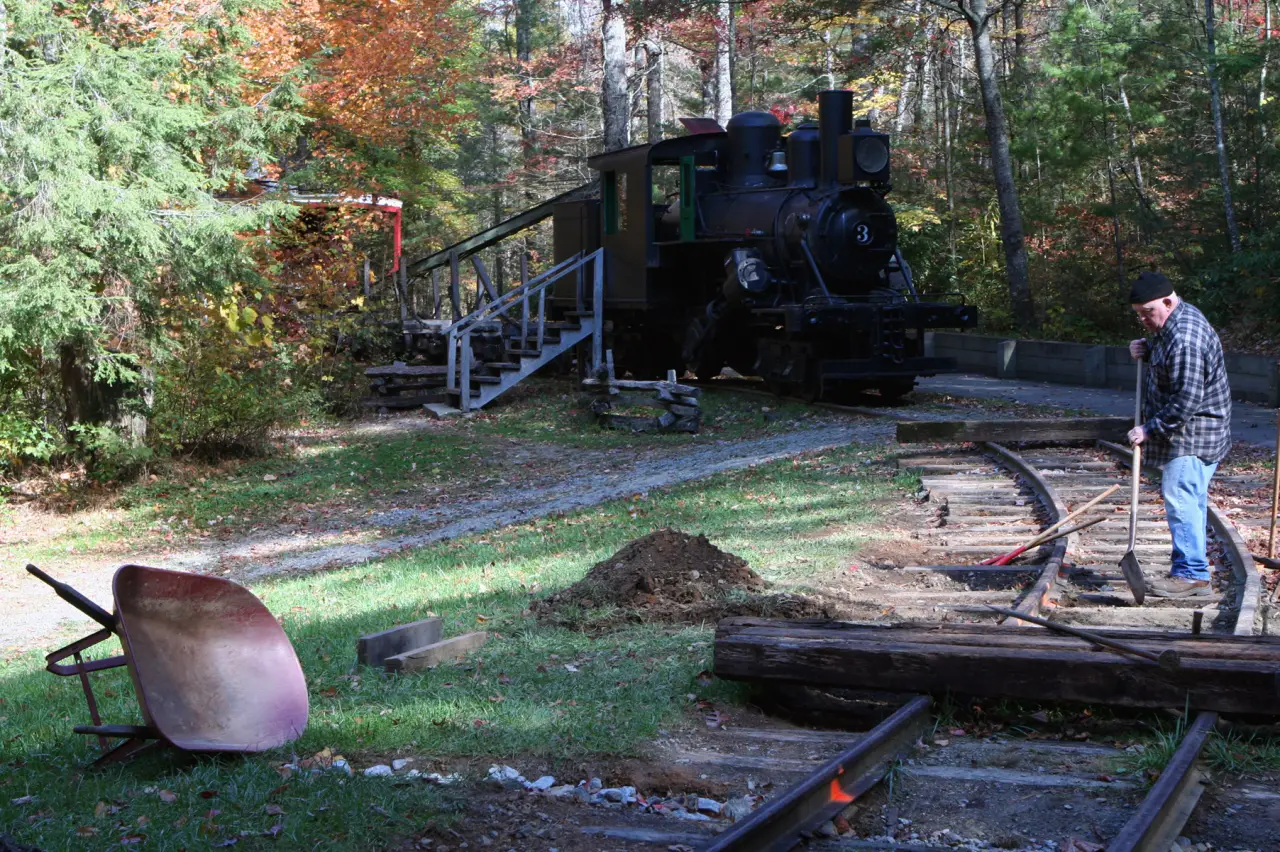
  24. A black Climax steam locomotive on a short stretch of track in the woods, with a man working on the rails in front of it
    The 1914 Climax logging locomotive at the Cradle of Forestry, October 2008Photo: anoldent, CC BY-SA 2.0, Wikimedia Commons (opens in a new tab)

    28 · Firsts

    The cradle of American forestry

    In 1898 Dr. Carl Schenck opened the Biltmore Forest School in the Pisgah Forest, the first forestry school in the United States; in 1968 Congress set the site aside to preserve “the birthplace of forestry and forestry education” in America.

    Where to see it

    Cradle of Forestry in America, Pisgah National Forest

    Source: FIND Outdoors (with the US Forest Service), Cradle of Forestry site history (opens in a new tab)

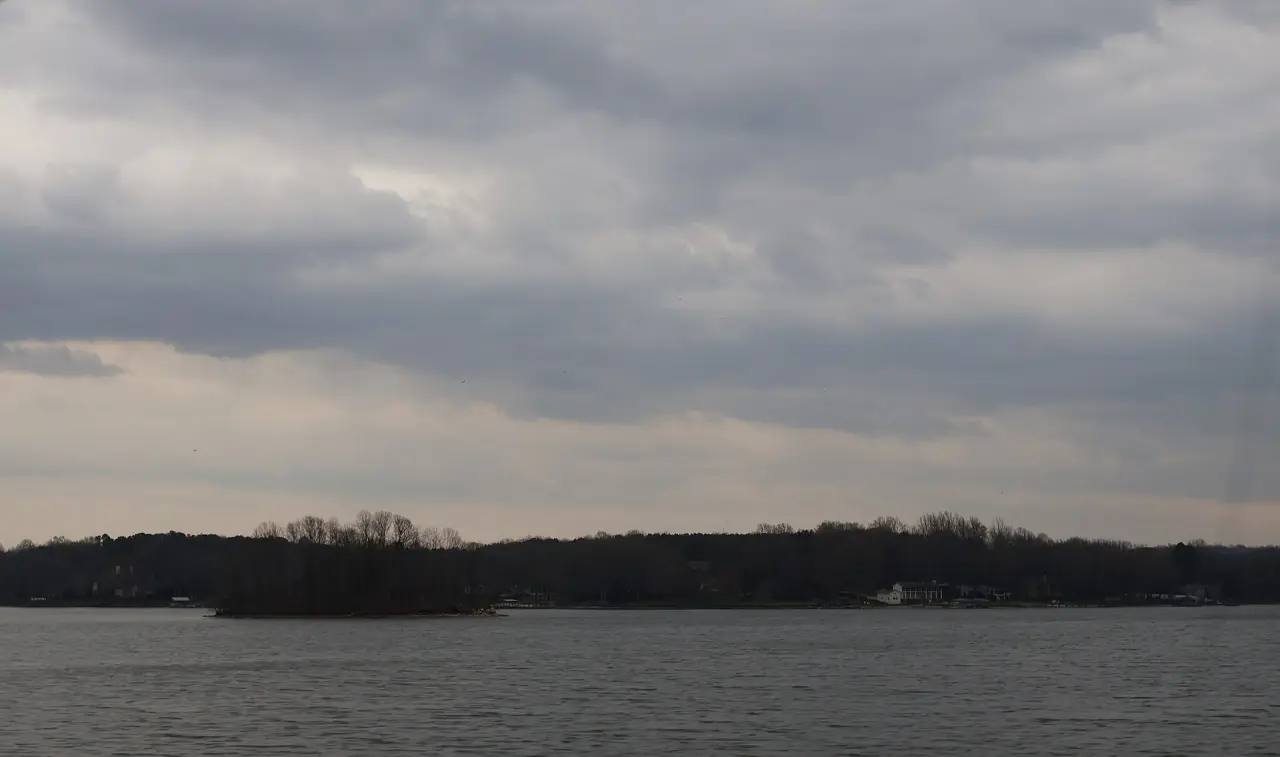
  25. Lake Norman's wide, calm water under a soft sky, seen from the shore by Cornelius Road
    Lake Norman from Cornelius Road, Iredell County, March 2023Photo: DiscoA340, CC BY-SA 4.0, Wikimedia Commons (opens in a new tab)

    29 · Biggest and oldest

    The largest lake in North Carolina

    Lake Norman covers more than 32,000 acres, “the largest manmade body of water in North Carolina”: Duke broke ground on Cowans Ford Dam on September 28, 1959, the water rose through 1963, and the lake took the name of Duke Power's Norman Atwater Cocke.

    Where to see it

    Lake Norman, between Davidson and Mooresville

    Source: NC Department of Natural and Cultural Resources, Creation of Lake Norman altered the landscape (opens in a new tab)

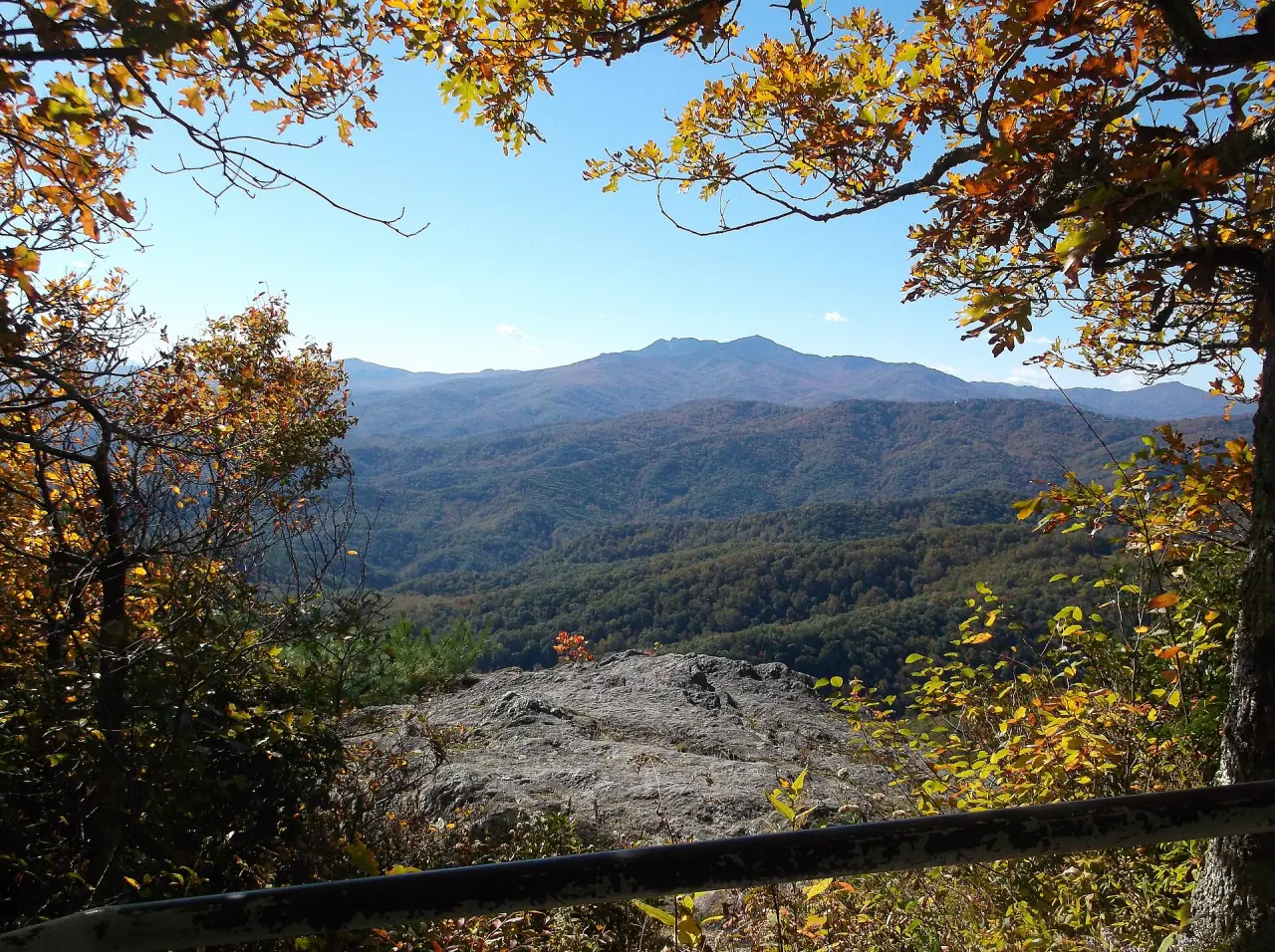
  26. Grandfather Mountain's long ridge seen from The Blowing Rock through a frame of oak leaves in fall color
    The view from The Blowing Rock, October 2015Photo: Education Prof, CC0, Wikimedia Commons (opens in a new tab)

    30 · Biggest and oldest

    Where snow falls upside down

    “North Carolina's Oldest Travel Attraction”, open since 1933, as The Blowing Rock says of itself; the wind up the gorge returns light things thrown over the edge, which is why Ripley's called it “the only place in the world where snow falls upside down”.

    Where to see it

    The Blowing Rock, Blowing Rock

    Source: The Blowing Rock, The Blowing Rock (opens in a new tab)

02 · Sources

Where each fact comes from

Every source was read on 11 October 2026. Figures are the source’s, with their year where the source gives one; if a page has changed since, the source wins.

  1. First in flight: National Park Service, “Wright Brothers National Memorial” (opens in a new tab)
  2. The highest peak east of the Mississippi: NC State Parks, “Mount Mitchell State Park” (opens in a new tab); National Park Service, “Mount Mitchell” (opens in a new tab)
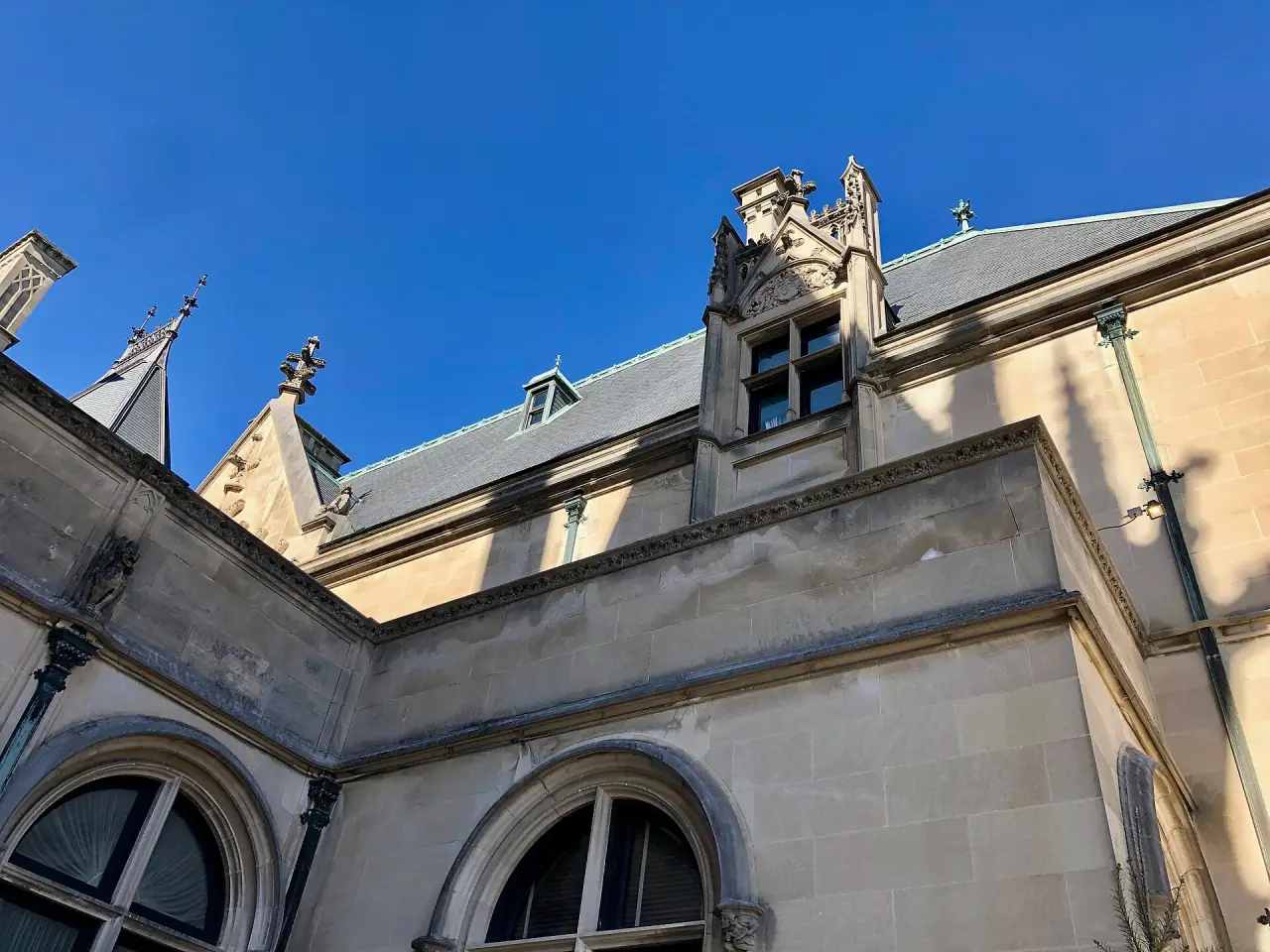
  3. The largest home in America: Biltmore, “10 fast facts about Biltmore” (opens in a new tab)
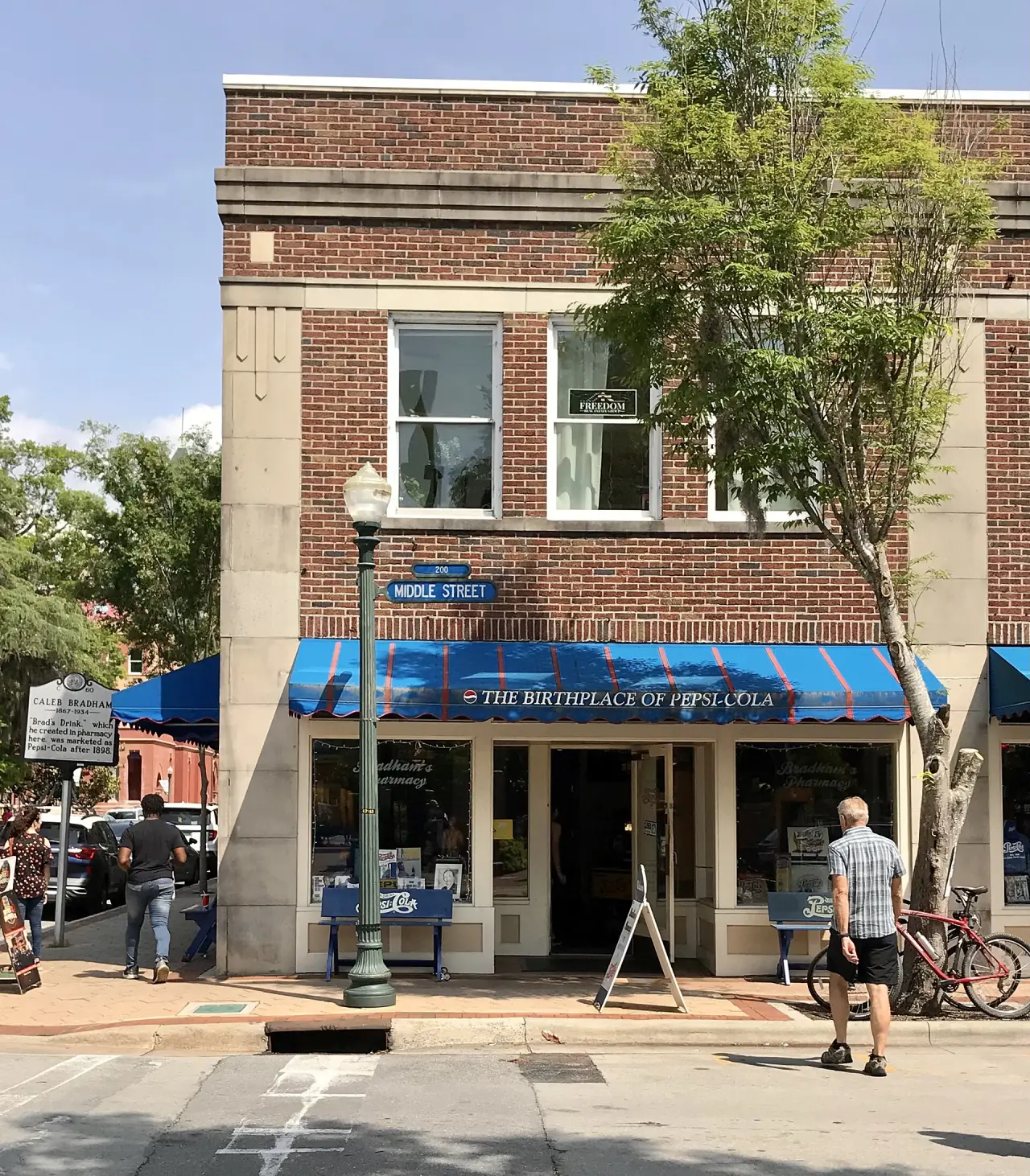
  4. Pepsi was born in New Bern: The Birthplace of Pepsi, “History” (opens in a new tab)
  5. The first Krispy Kreme: NC Department of Natural and Cultural Resources, “Krispy Kreme makes its debut in Winston-Salem” (opens in a new tab)
  6. The tallest brick lighthouse in the US: National Park Service, “Landscapes of Change: Cape Hatteras Lighthouse” (opens in a new tab)
  7. The Venus flytrap's only wild home: NC State University, College of Natural Resources, “Five things about Venus flytraps” (opens in a new tab); NC Native Plant Society, ““The Flytrap Man” builds a garden” (opens in a new tab)
  8. The Mile High Swinging Bridge: Grandfather Mountain Stewardship Foundation, “Mile High Swinging Bridge” (opens in a new tab)
  9. The most visited place in the National Park System: National Park Service, “Public interest in national parks remains strong as visits top 323 million in 2025” (opens in a new tab)
  10. The Lost Colony: National Park Service, “1587: The Lost Colony” (opens in a new tab); National Park Service, “1590: The rescue voyage” (opens in a new tab)
  11. The wild horses of Shackleford Banks: National Park Service, “Horses of Shackleford Banks” (opens in a new tab)
  12. Stock car racing's hall of fame: Wikipedia (revision 1372218081), “NASCAR Hall of Fame” (opens in a new tab); NASCAR Hall of Fame, “NASCAR Hall of Fame” (opens in a new tab)
  13. The birthplace of North Carolina pottery: NCpedia (State Library of North Carolina), “State Birthplace of North Carolina Traditional Pottery: Seagrove Area” (opens in a new tab)
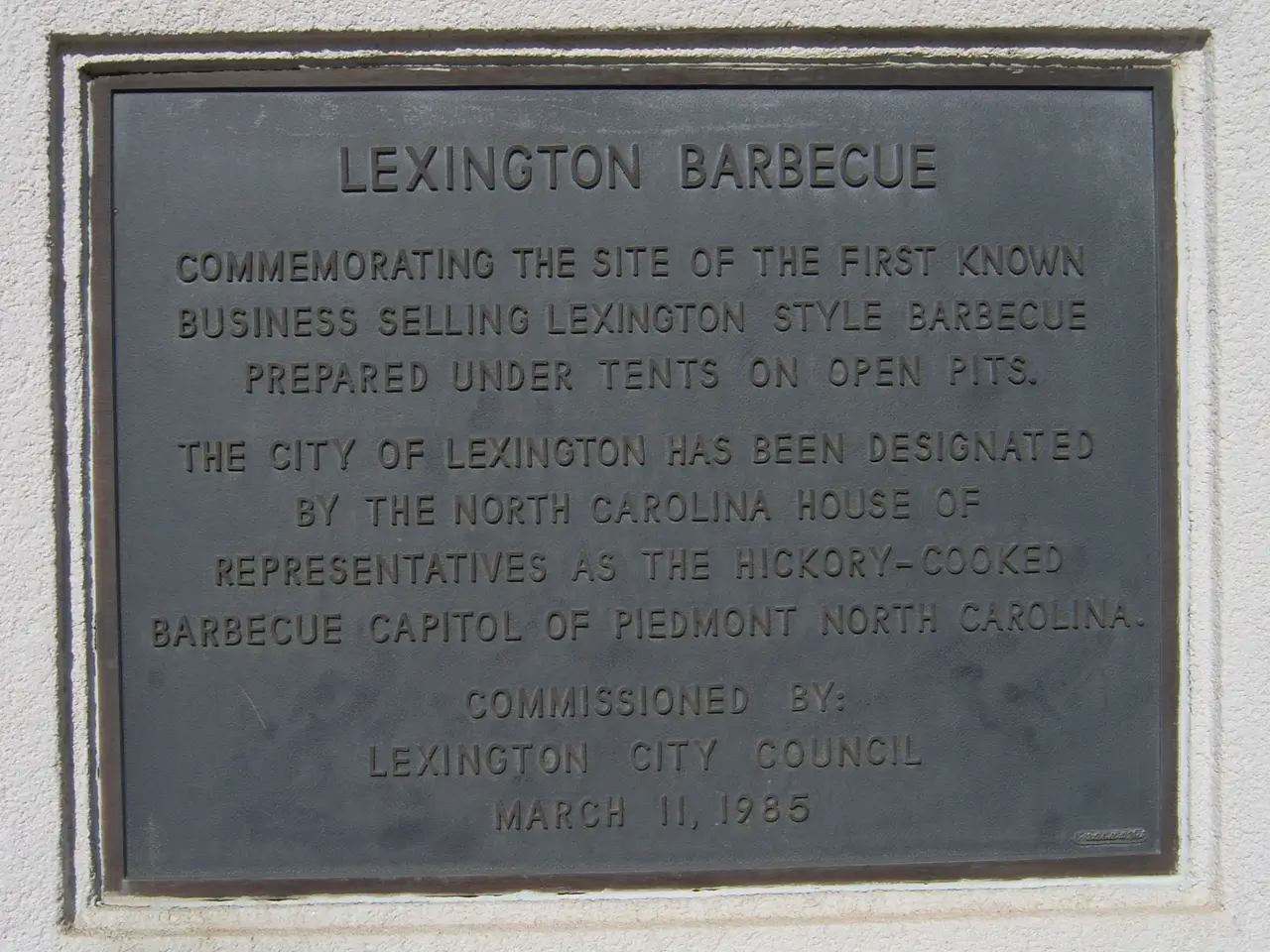
  14. The barbecue capital, as Lexington says it: Visit Lexington, “Visit Lexington, NC” (opens in a new tab)
  15. Where the Fraser firs come from: NC Christmas Tree Association, “North Carolina Christmas tree facts” (opens in a new tab)
  16. A river that may be among the oldest in the world: National Park Service, “Geology, New River Gorge National Park and Preserve” (opens in a new tab); NC State Parks, “New River State Park” (opens in a new tab)
  17. The salamander capital of the world: National Park Service, “Amphibians, Great Smoky Mountains National Park” (opens in a new tab)
  18. Mountains among the oldest on Earth: US Geological Survey, “Geology of Great Smoky Mountains National Park” (opens in a new tab); US Forest Service, “National Forests in North Carolina” (opens in a new tab)
  19. The Grand Canyon of the East: US Forest Service, “Linville Gorge Wilderness area” (opens in a new tab); Visit North Carolina, “Linville Gorge Wilderness Area” (opens in a new tab)
  20. The highest waterfall east of the Rockies: US Forest Service, “Whitewater Falls” (opens in a new tab)
  21. The Uwharries, among the oldest mountains in North America: US Forest Service, “Uwharrie National Forest” (opens in a new tab)
  22. The first public university: University of North Carolina at Chapel Hill, “History and traditions” (opens in a new tab)
  23. Cheerwine, a family soda since 1917: Cheerwine, “The story behind the South's favorite cherry flavored soda” (opens in a new tab)
  24. The real Mayberry: Mount Airy Tourism Development Authority, “Visit Mayberry” (opens in a new tab)
  25. An emerald mine you can dig in: Emerald Hollow Mine, “Emerald Hollow Mine” (opens in a new tab)
  26. The tallest dunes on the Atlantic coast: NC State Parks, “Jockey's Ridge State Park” (opens in a new tab)
  27. America's first gold rush: NC Historic Sites, “Reed Gold Mine history” (opens in a new tab)
  28. The cradle of American forestry: FIND Outdoors (with the US Forest Service), “Cradle of Forestry site history” (opens in a new tab)
  29. The largest lake in North Carolina: NC Department of Natural and Cultural Resources, “Creation of Lake Norman altered the landscape” (opens in a new tab)
  30. Where snow falls upside down: The Blowing Rock, “The Blowing Rock” (opens in a new tab)